

In the world of music history, few stories have the power to go viral decades after they happened quite like the tale of B.B. King and his beloved guitar, Lucille. While the King of the Blues passed away in , his legendary narrow escape from a burning building is trending once again as music fans and gear-heads celebrate the anniversary of a moment that changed music forever.
It was a cold night in December , and a young B.B. King was performing at a juke joint in the small town of Twist, Arkansas. In a scene that sounds like something straight out of a movie, two men got into a heated physical altercation. During the brawl, they knocked over a flaming garbage pail filled with kerosene, which was being used to heat the hall. Within seconds, the building was engulfed in flames.
The Risk That Defined a Career
As the crowd scrambled for the exits, King realized he had left his beloved -dollar acoustic guitar inside. In a moment of pure adrenaline that has since become the stuff of legend on TikTok and X, he rushed back into the collapsing, fiery structure to save his instrument. He narrowly escaped with his life, and the very next day, he discovered the shocking truth about what started the fire.
It turns out, the two men were fighting over a woman who worked at the venue. Her name? Lucille. To remind himself never to do anything as “foolish” as running into a burning building again—or fighting over a woman—King named his guitar after her. From that day on, every guitar he played was affectionately known as Lucille.
The Science Behind the Sound
While the emotional story captures the hearts of fans, the technical side of the Lucille legacy is just as fascinating to the “guitar-tok” community. King eventually partnered with Gibson to create a signature model based on his preferred curvy, semi-hollow body style.
“He wanted to try to limit the feedback, which led to the f-hole delete, which is why Lucilles are still popular to this day, even outside of blues,” explains Mat Koehler, vice president of product at Gibson Brands. By removing the traditional f-holes found on most hollow-body guitars, King created a unique, clean sound that could handle the volume of a big band without screeching feedback.
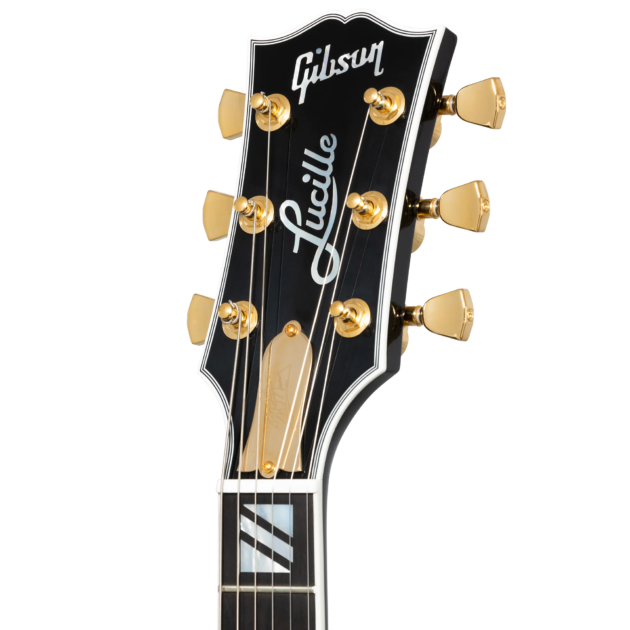
The iconic black ES- Thinline, with “Lucille” spelled out in script on the headstock, became as much a part of King’s identity as his soulful voice.
A Legend Lives On
Decades later, the obsession with Lucille shows no signs of slowing down. Gibson has released several versions over the years, including an accessible Epiphone model for aspiring blues players. Now, the brand has confirmed that a th anniversary edition is officially in the works, sparking massive anticipation across social media platforms.
Whether you are a die-hard blues enthusiast or just a fan of a great “against all odds” story, the legend of B.B. King and Lucille serves as a powerful reminder of the connection between an artist and their craft. As fans continue to share clips of King’s track “Lucille,” where he narrates the guitar’s origin story in song, it is clear that this lady will be singing for a long, long time.