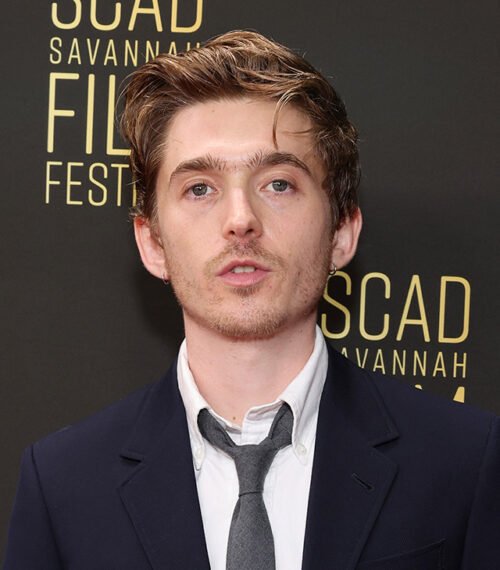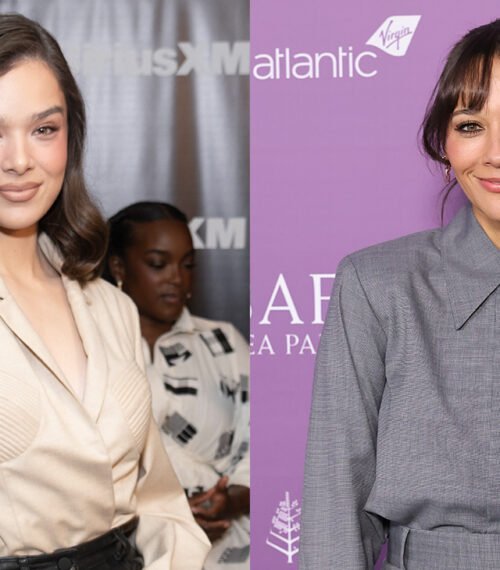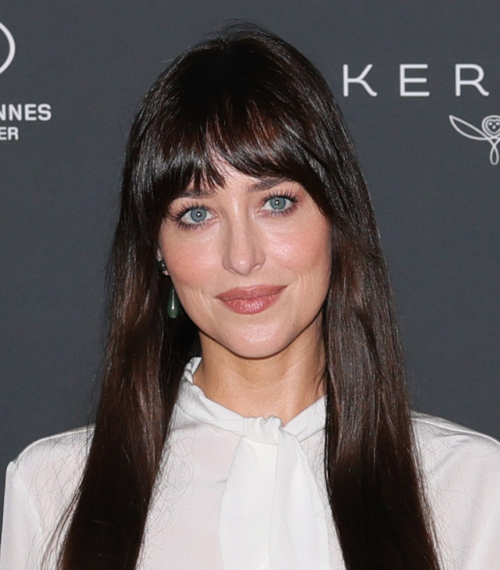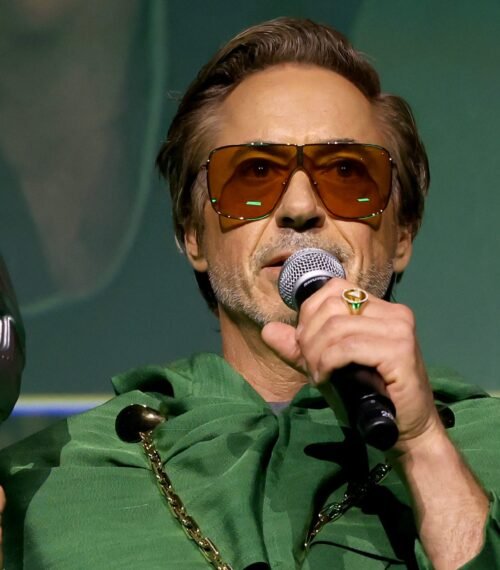


It is the photo that launched a million retweets and effectively crashed Twitter for a hot minute. When Bradley Cooper took a Samsung device from host Ellen DeGeneres and gathered a group of Hollywood royalty at the Academy Awards, nobody knew they were witnessing the peak of a shared cultural era.
The star-studded snap featured a “who is who” of the industry, including Meryl Streep, Julia Roberts, Brad Pitt, Angelina Jolie, Jennifer Lawrence, and Lupita Nyong’o. It was a moment of pure, unscripted joy that felt like the entire world was watching the same screen at the exact same time.
A Viral Record-Breaker
The selfie didn’t just trend; it dominated. Posted to DeGeneres’ X account (then Twitter), it quickly became the most retweeted post in the platform’s history. The telecast itself pulled in a massive . million viewers, the largest Oscar audience in years.
“If only Bradley’s arm was longer. Best photo ever,” DeGeneres joked at the time. Fans couldn’t get enough of the candid energy. On TikTok and Instagram today, clips of the moment still make the rounds, with users commenting on the “last time we all liked the same thing.”
The End of the Monoculture?
In , looking back at that night feels like a trip to a different planet. Journalists and cultural critics often point to this specific moment as the last stand of the “monoculture.” This was a time when everyone was watching the same shows, like “The Big Bang Theory,” which was pulling in over million viewers per week.
Back then, live-tweeting was the digital water cooler. Whether it was the Grammys or a new episode of “American Idol,” social media allowed fans to have a real-time conversation. But as streaming services like Netflix, Disney+, and HBO Max exploded, our attention began to splinter.
Splintered Screens and New Algorithms
While we still have massive moments like Taylor Swift’s “Eras Tour” or the Super Bowl, the statistics show a shift. In , dozens of shows averaged over million viewers. Today, only a handful of hits like CBS’ “Tracker” can claim that kind of linear reach.
The rise of the “For You” page means your neighbor might be obsessed with a TikTok star you’ve never heard of, while you’re deep in a niche Netflix documentary. The algorithm has replaced the shared TV schedule, making those -million-viewer nights a thing of the past.
Looking Forward
Even though the ways we consume media have changed, the nostalgia for the Oscar selfie remains strong. It represents a time when a single photo could unite the internet in a way that felt simple and fun.
As we move further into a world of personalized content, these rare moments of shared language feel more romantic than ever. Whether we’ll ever see a group of A-listers break the internet quite like that again remains to be seen, but for now, we’ll always have the selfie.