















Taylor Sheridan has officially severed ties with Paramount after a series of reported creative clashes, miscommunications, and mounting frustrations, culminating in a reported $1 billion deal with NBCUniversal.
The Wall Street Journal also claimed that budget disputes over Sheridan’s spy thriller Special Ops: Lioness, starring Nicole Kidman and Zoe Saldana, added fuel to the fire. Tensions escalated when Paramount cast Kidman in another series, Discretion, without consulting Sheridan, creating potential scheduling conflicts.
Sheridan viewed this as “a lack of respect” for his projects. Paramount also rejected one of his film scripts, further straining relations. The Hollywood Reporter noted that Paramount’s new CEO, David Ellison, Paramount president Jeff Shell, co-chairs Dana Goldberg and Josh Greenstein flew to Texas to assure Sheridan he was “in good hands”.
But Sheridan remained “frustrated” with the film division over his rejected feature script, Capture the Flag. “They thought the meeting went well,” THR reported, but sources close to Sheridan say:
It wasn’t a bad meeting. They should’ve come with three people — Ellison and two others and then sat down and really tried to connect with Taylor. That would’ve meant a lot.
Another insider added, “Ellison wants to run the show, and he can’t with Sheridan there.”
Why Taylor Sheridan Left Paramount: Creative Freedom and $1B NBCUniversal Deal
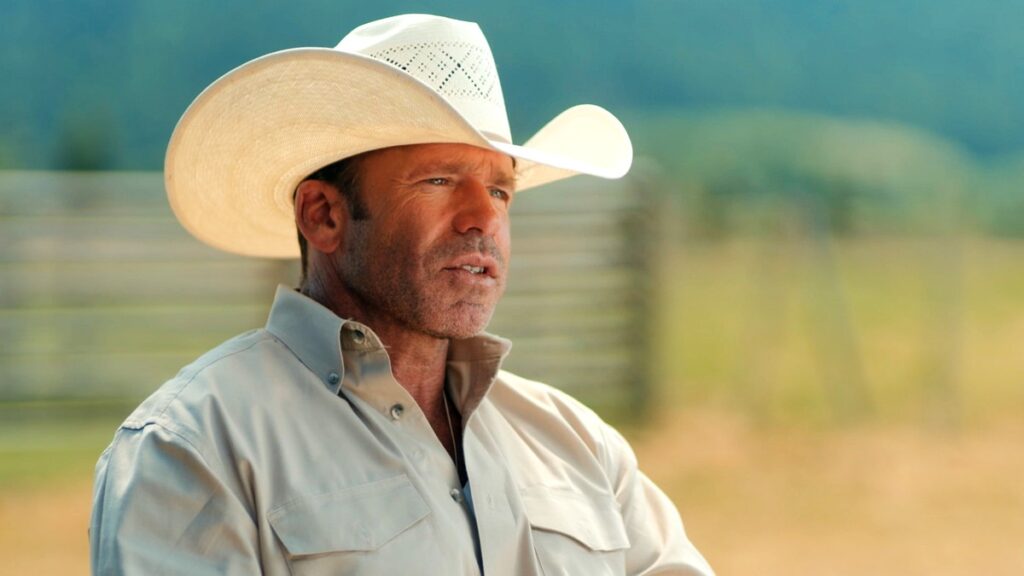
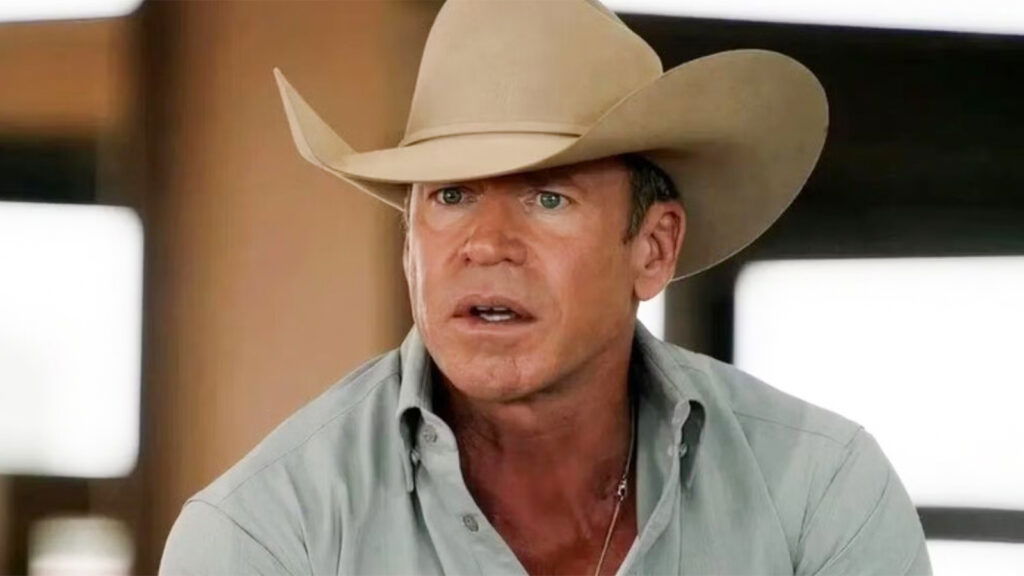
Reports reveal that Taylor Sheridan’s departure from Paramount was more than a clash of egos; it was a collision of creative philosophies. The Yellowstone creator, whose credits include Mayor of Kingstown, Lioness, and Landman, reportedly felt stifled after the Paramount-Skydance merger.
The Hollywood Reporter noted that Sheridan’s feature script Capture the Flag was rejected by Paramount’s film division, frustrating the writer-producer-director who has previously delivered acclaimed works such as Hell or High Water, Wind River, and Sicario.
David Ellison’s leadership introduced a team-based approach that reportedly threatened Sheridan’s long-standing creative autonomy. The former suggested a series to commemorate America’s 250th anniversary, but Sheridan resisted, insisting he didn’t want to produce a show “too politically charged” (per Wall Street Journal).
Despite Yellowstone often being associated with conservative audiences, Sheridan told the New York Times that he is “apolitical publicly” and aims to present all sides of the political spectrum. Questions over budgets, particularly for Lioness, reportedly pushed Sheridan to explore other studios, including Warner Bros. Discovery and NBCUniversal.
Take a look at Sheridan’s projects with Paramount:
Ultimately, he inked a reported $1 billion deal with NBCU, giving him the freedom to develop films as early as 2026 and shows by 2029, all while remaining engaged with Paramount projects until 2028.
Yes, his Paramount projects, including Tulsa King and upcoming Yellowstone spin-offs like the rumored 6666 ranch series, will remain with the studio.
How Working on Nicole Kidman’s Lioness Changed Taylor Sheridan’s Creative Process
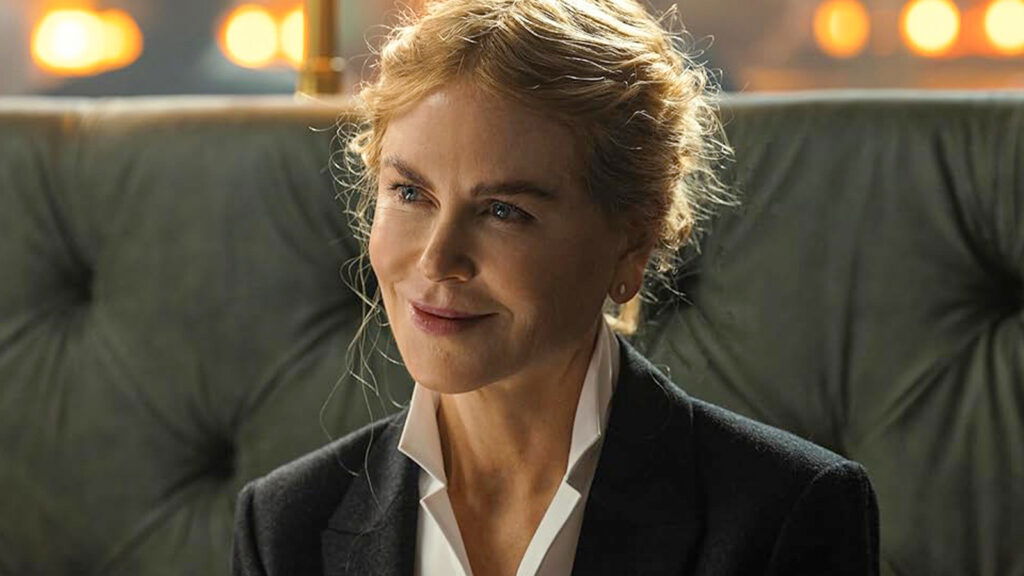
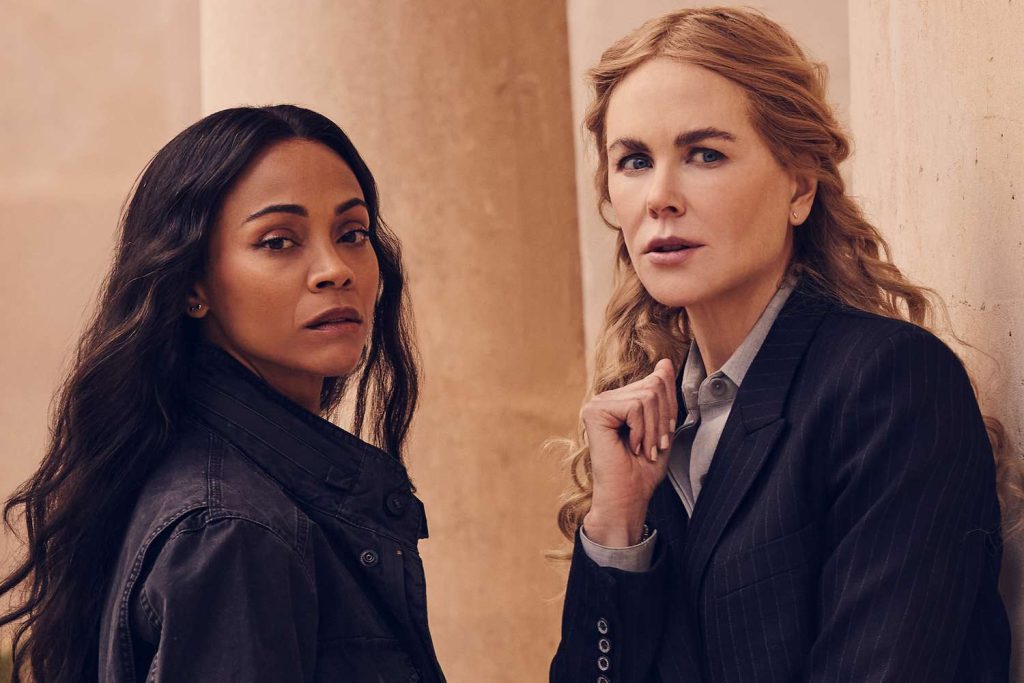
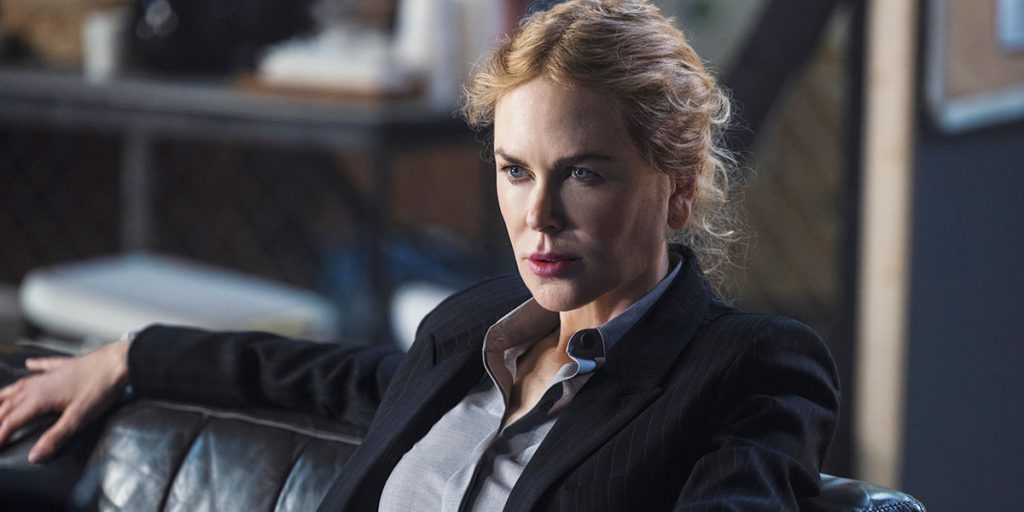
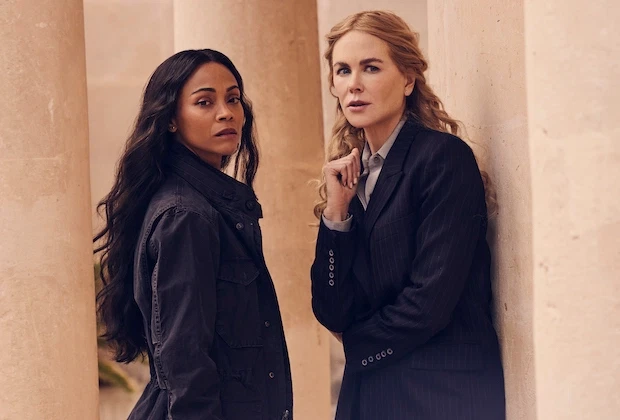
Taylor Sheridan’s creative DNA has always been intensely hands-on, but collaborating with Nicole Kidman on Lioness appears to have nudged him toward delegation. With multiple Paramount+ series in production, Sheridan had to navigate the Herculean task of managing several projects simultaneously.
While he traditionally writes, directs, and oversees his shows, Lioness, starring Zoe Saldaña and Nicole Kidman, prompted him to enlist more writers to meet production demands. In a 2022 interview with Variety, Sheridan admitted that his greatest challenge wasn’t taming prairie critters or filming action; it was sharing creative responsibilities. He wasn’t sure how well he’d be able to delegate and help share his ideas with his writing teams.
Yet, the success of Lioness and Tulsa King indicates that he has struck a functional balance. Despite leaning on writers, Sheridan maintains firm control over casting. He personally called Kidman and Saldana to pitch Lioness, emphasizing:
I don’t think anyone can speak to my projects better than me. So I might as well just cut out the middleman and just call myself.
Clearly, working with Kidman has reinforced the importance of balancing delegation with personal oversight, ensuring the quality and vision of his projects remain intact.
Anyway, could NBCUniversal become the new playground for Sheridan’s ambitious vision, or will the shadow of Paramount’s holdings limit his reach? Time will tell if the $1 billion gamble pays off creatively and financially.
Is Taylor Sheridan’s move to NBCUniversal a masterstroke or a risky leap? What do you think?