

















Edgar Wright just released his Stephen King adaptation, The Running Man, starring charismatic actor Glen Powell. The King novel was published in 1982 under the pen name Richard Bachman. Stephen King originally set the events of the novel in 2025, but Edgar Wright revealed the reason why the film doesn’t say what year it is in an interview with James Mottram of Sight and Sound:
In the movie, we don’t say what year it is. And the reason we don’t is because I’m always very conscious that in films with dystopian future worlds, they never can go far enough. I wish we were living in 2001 as Stanley Kubrick saw it in 1968. We’re not even there now. Or Escape from New York, which I love, is a 1981 film, set in the year 1997. We’re way past that too. So you have to throw it further, or just don’t date it at all.
Adding to what the director said, Stephen King remarks:
I just thought to myself, when I wrote the book 2025 just seemed so far in the future that I couldn’t even grasp it in my mind.
Novels and other dystopian fiction are being adapted left and right, with many of them set in a time that has already passed us or is right around the corner.
Edgar Wright’s Comment Reflects a Trend in Dystopian Fiction
Aside from the examples Edgar Wright used, such as 2001 and Escape From New York, there have been numerous films over the years that have depicted a dystopian society that we’ve already passed in 2025. We explore similar movies that depict a violent future of totalitarianism and bloodshed.
Death Race 2000 (1975) imagined the year 2000 as a dystopian America where the government pacified citizens through a violent transcontinental road race where drivers scored points by running over pedestrians.
Rollerball (1975) envisioned a world in 2018 where corporations have replaced nations and control the population through a brutal, gladiatorial sport. James Caan stars as a champion player who begins questioning the authoritarian system.
Akira (1988), the revered anime cult classic, is set in Neo-Tokyo in 2019, depicting a dystopian future following a catastrophic event that destroyed the original Tokyo in 1988. The anime film follows teenage biker gangs and dangerous psychic experiments, as the city prepares to host the Olympics in 2020, which eerily mirrors real-world events.
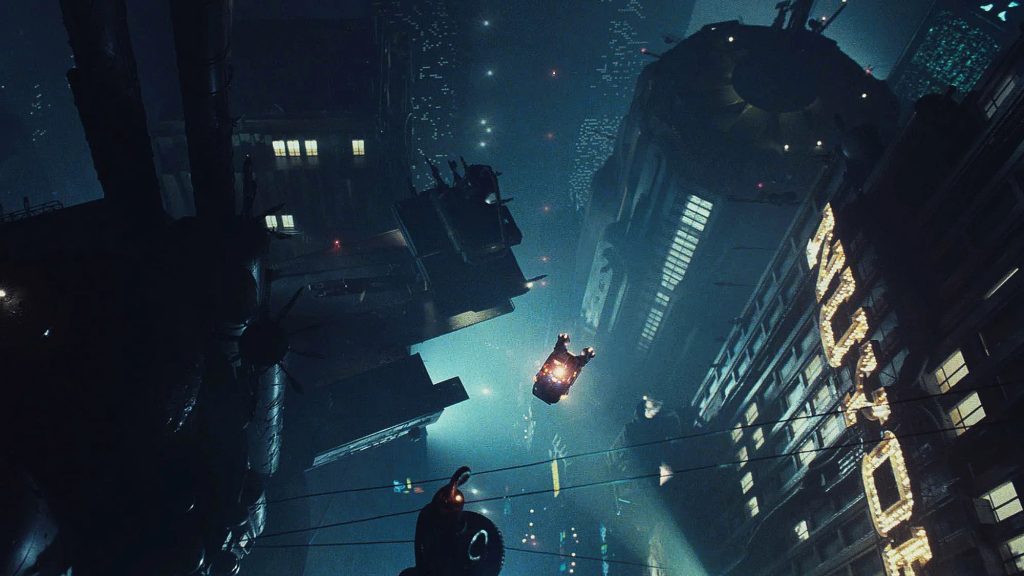
Blade Runner (1982) famously set its neo-noir vision in November 2019. Ridley Scott’s masterpiece depicts Los Angeles as a rain-soaked, neon-lit dystopia where bioengineered “replicants” are hunted by special police officers.
The retrofuturistic aesthetic has been around for decades, and recently, media like Fallout and Blade Runner 2049 have continued to further the narrative that we are headed toward dystopia rather than utopia.
Edgar Wright’s Running Man Isn’t the First Adaptation of King’s Novel
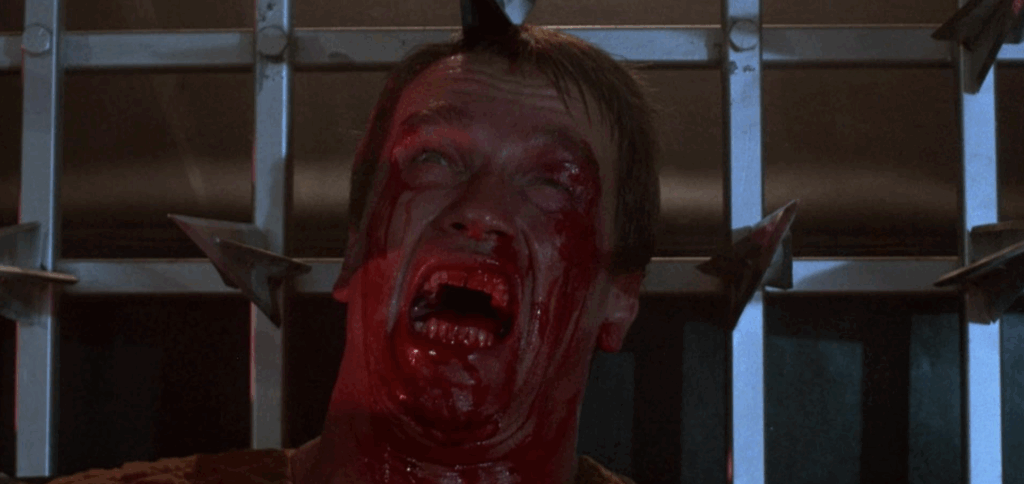
The Running Man was previously adapted into a film in 1987, starring Arnold Schwarzenegger. Many noted that the older film was a loose adaptation, whereas the new one is a more faithful rendition. Here are more details about the 1987 film.
The film with Schwarzenegger retained the deadly game but changed much of the plot to fit the Hollywood standard of its time. The film focuses more on action and spectacle, and despite its mixed reception, is heralded as a cult classic adaptation of Stephen King’s work.
Stephen King Is Seeing a String of Classic Adaptations in 2025
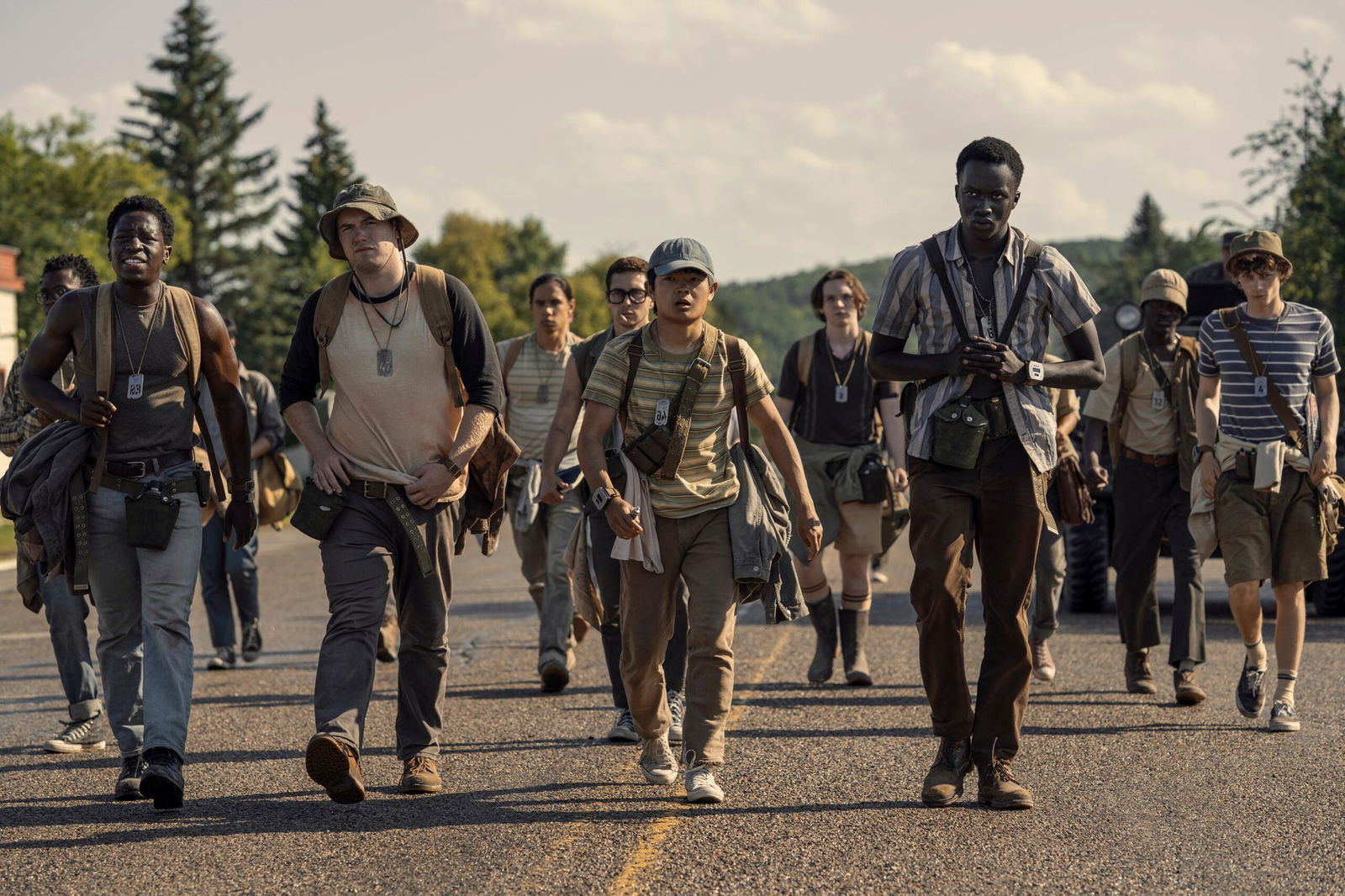
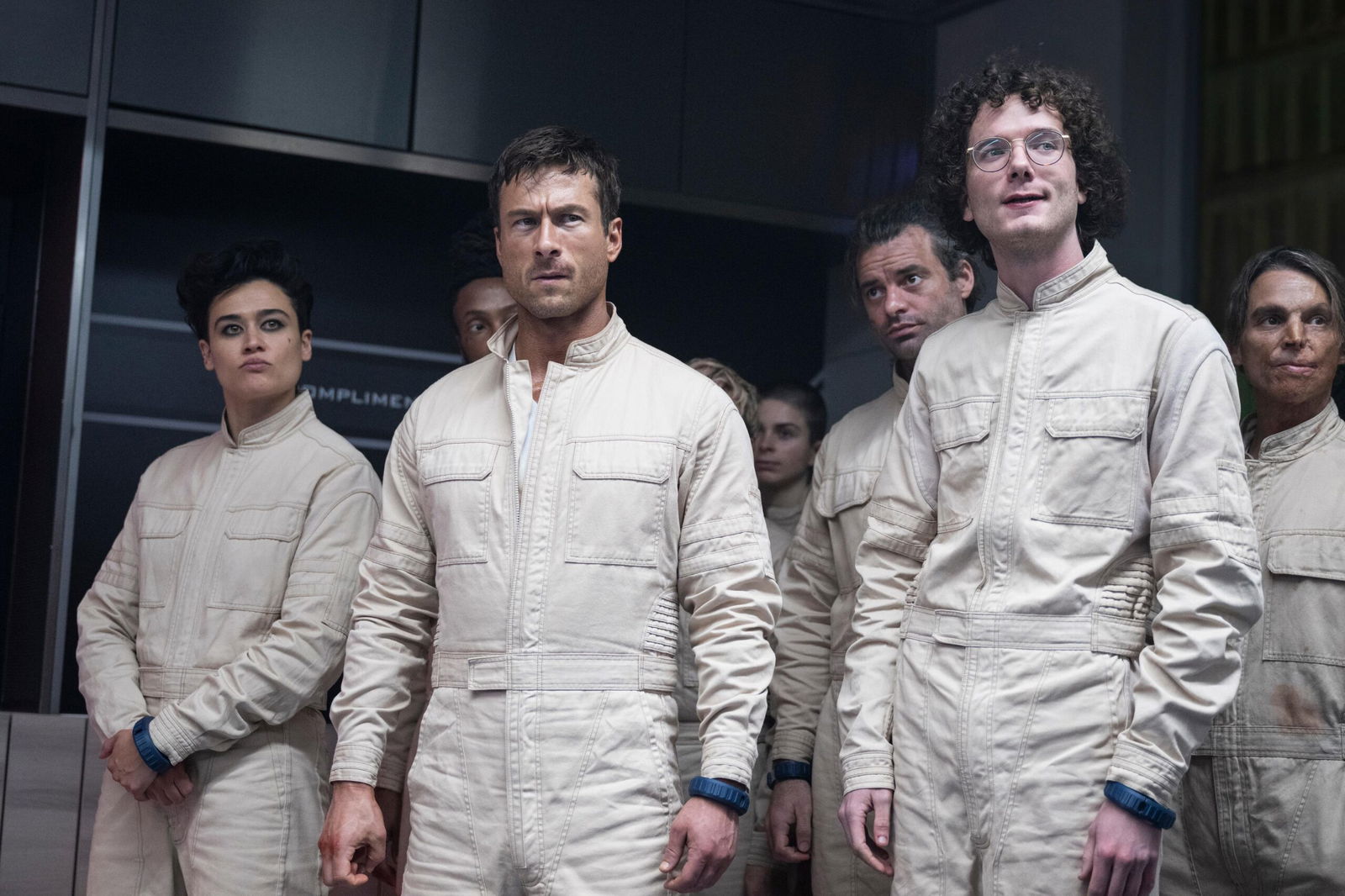

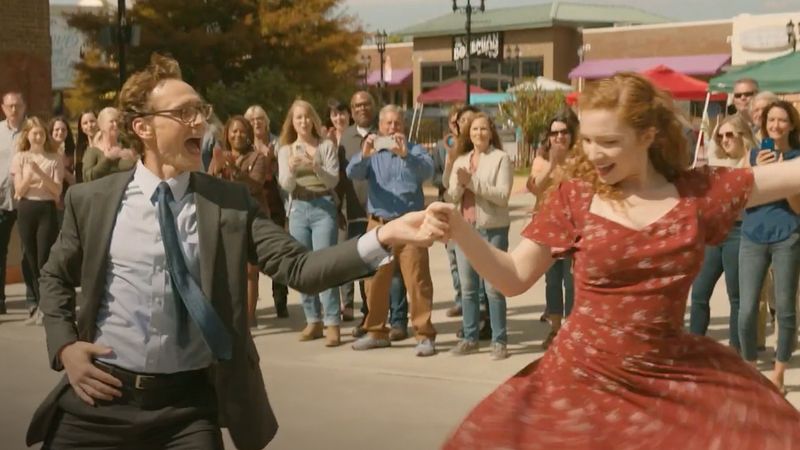
2025 has been a fantastic year for Stephen King, whose horror and non-horror works have been adapted onto the big screen. Notably, they include:
A few more projects have been confirmed, with some of them already in post-production, like Mike Flanagan’s Carrie. Dystopian fiction seems to be hot right now, reminiscent of the 2010s trend of young adult dystopian adaptations.
What did you think of The Running Man?
The Running Man is currently running in cinemas in the U.S.