



















“Fifth place” usually means a polite handshake and a plane ride home, not a two-year media crusade. Yet that is exactly what happened after Kentucky swimmer Riley Gaines tied for fifth with transgender athlete Lia Thomas at the 2022 NCAA Women’s Swimming Championships in Atlanta. The race ended in a verified tie, but online, it never did.
In February, J.K. Rowling took to X, sharing a campaign video featuring Gaines and voicing her support:
This is the first and likely the last time I’ll retweet an ad, but I love it. pic.twitter.com/oALpr5c10v
The discourse flared up again just hours ago, when Rowling doubled down with another post addressing critics directly:
.@Riley_Gaines_ doesn’t defend women’s rights for attention or money, any more than I do. We fight because it’s the only thing to do if you’re not a coward, a pick me or a living doormat. https://t.co/FaNyT0qsc9
Her posts reignited online debates over trans inclusion, with users calling Rowling the “final boss of transphobia,” while others defended her for “saying what many are afraid to.” What began as a tied finish has turned into a never-ending sequel, proof that outrage has a longer career than most athletes do.
The Never-Ending Fifth-Place Meltdown
The 200-yard freestyle final in 2022 ended with both Gaines and Thomas clocking 1:43.40, officially tying for fifth. But soon after, Gaines claimed she had been “disrespected” when Thomas was handed the fifth-place trophy, though the NCAA clarified that it was merely for “photo purposes“, and both athletes retained the same rank (via Liberty Champion).
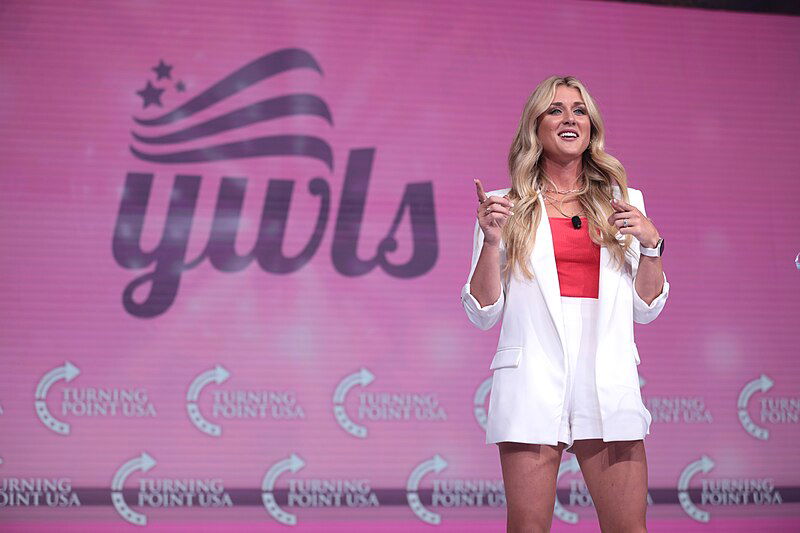
What could have been a shared moment turned into a full-blown rebrand. Gaines soon shifted from swimmer to prominent voice in the debate over trans inclusion in sports (via CBS News). Her fifth-place tie became her calling card, launching a new career of speaking tours, media appearances, and partnerships with advocacy groups such as Turning Point USA and the Independent Women‘s Forum.
Each time the noise fades, Rowling finds a way to revive it, and this time was no different. Her recent endorsement amplified Gaines’ message, pushing a niche sports grievance back into global news cycles.
Two years later, the scoreboard has not changed, but the story keeps being rewritten to fit the culture war of the week.
How Trans Athletes Became Everyone’s Favorite Scapegoat

The controversy around trans athletes in women’s sports has long outgrown the pool. Research shows that hormone therapy reduces many of the physiological differences that develop during male puberty, though not all (via BJSM). The IOC now warns against assuming trans women have an automatic advantage, while many scientists have insisted that there is not enough evidence to settle the matter (via BBC).
Despite this, the debate continues to dominate headlines, often louder than the science itself. Media and politicians have turned trans athletes into symbols of broader fears about fairness and identity in sports. The outrage drives new policies and viral debates, turning what began as athletic competition into political drama.
While science is still writing its report, the headlines have already turned it into a verdict. Trans athletes are not dominating, but in a culture war that thrives on visibility, they have become a convenient scapegoat for every loss, every fear, and every fifth-place finish.
What do you think? Is this really about fairness or something else entirely? Let us know in the comments!