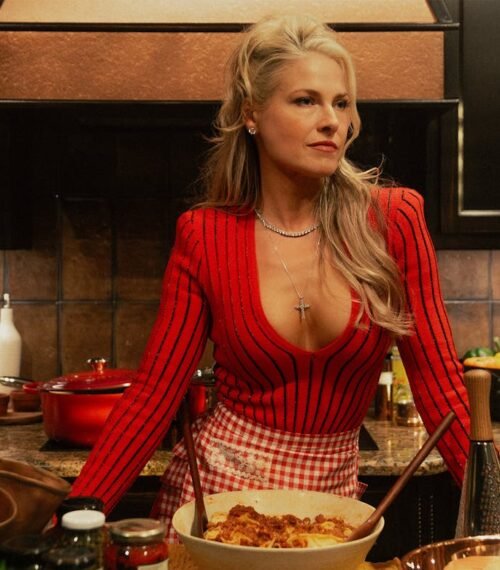

















Madonna‘s favorite movie happens to be banned in multiple countries due to its violent and disturbing themes. The film, Salò, or the 120 Days of Sodom, was directed by Italian filmmaker Pier Paolo Pasolini, whose filmography includes such unique films. It can either be a masterpiece or an utterly disgusting film, depending on who you ask.
The pop sensation not only loved the film but also showed it to her friends, employees, and lovers, allegedly to check the vibe. She would allegedly tell them: “Watch this movie – and if you don’t like it, we can’t be friends” (via RadarOnline).
It wasn’t just Madonna who loved this deeply disturbing film. Director John Waters, the maker of transgressive films like Pink Flamingos and Hairspray, noted that Salò was “elegantly beautiful, but at the same time you can barely watch it.” Now, this ‘hard-to-watch’ film is coming back to the big screen.
According to Radar, the film will celebrate its 50th anniversary with an exclusive one-night screening on November 11 at London’s Barbican Center. The movie, despite its controversies, is expected to attract a crowd of hardcore film fans.
The movie was first released at the Paris Film Festival on November 23, 1975. Later, it enjoyed a brief theatrical run in Italy before being banned in January 1976. The film has remained banned in many countries due to its themes of graphic violence, torture, s*xual abuse, and murder. Interestingly, it was released in the United States on October 3, 1977.
What Happened to Salò‘s Director, Pier Paolo Pasolini?
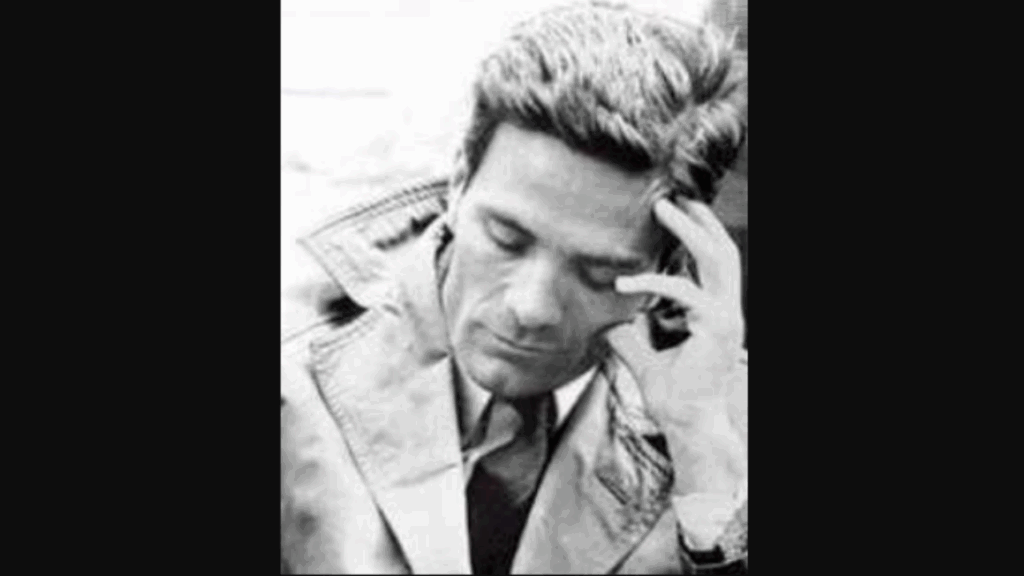
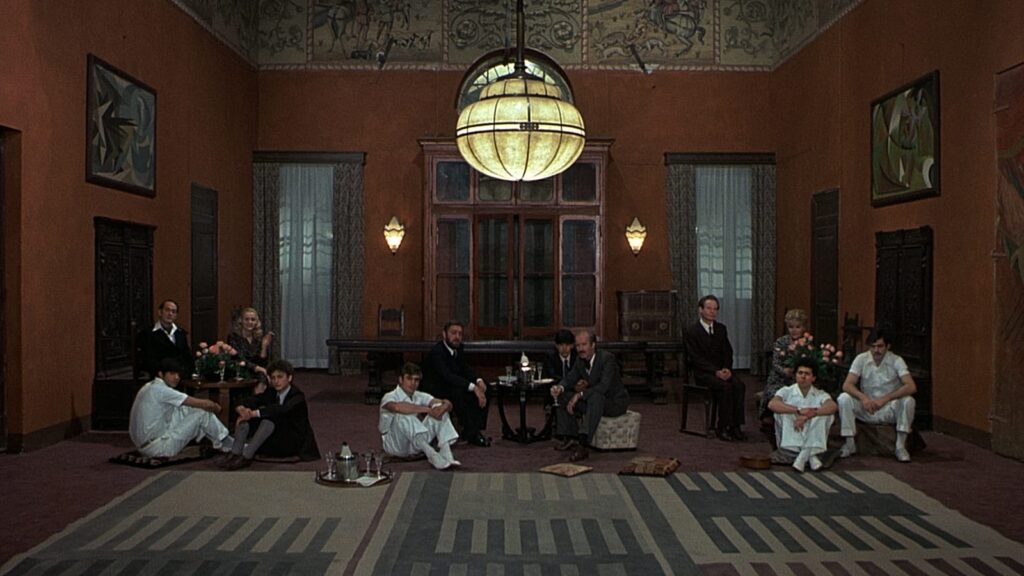
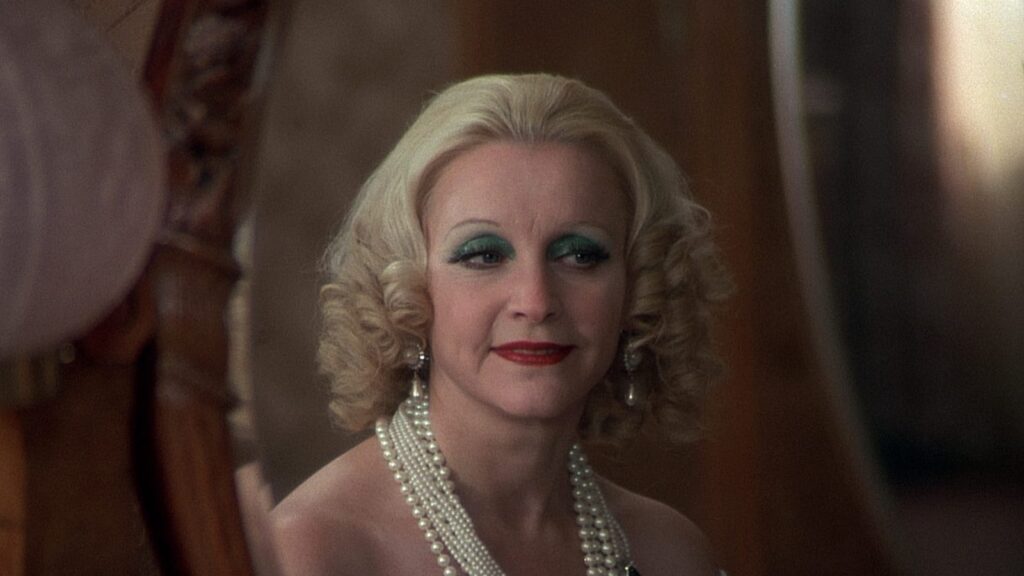

Pier Paolo Pasolini made a political art horror movie based on the 1785 novel, The 120 Days of Sodom by Marquis de Sade. However, he changed the setting of the story to the World War II era. Pasolini was famous in Italian history, both as an artist and a political figure.
He has also directed films like The Gospel According to St. Matthew and the Trilogy of Life films, including The Decameron, The Canterbury Tales, and Arabian Nights. In movies, he examined taboo s*xual matters with a socio-political backdrop. Outside of the cinema, he was critical of the greed-driven consumerism that took over Italian culture.
Salò, or the 120 Days of Sodom was his last movie. Before the release of the movie, Pasolini was abducted, brutally tortured, and murdered. His body was found on a beach at Ostia in November 1975. 17-year-old Giuseppe “Pino” Pelosi was sentenced to 9 years for the murder. However, he later retracted his ‘confession’, sharing that he was threatened with violence against his family.
An investigation was launched in 2005, but it never went anywhere. The latest reports link the murder to a criminal organization, Banda della Magliana, who allegedly have ties to far-right terrorism (via ANSA).
What Was Wrong With Salò, or the 120 Days of Sodom?
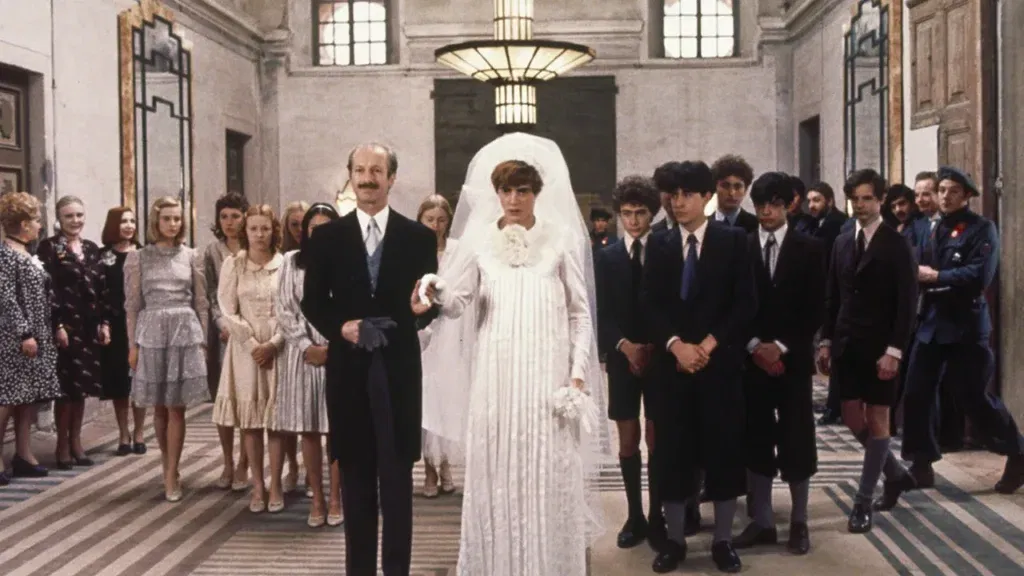
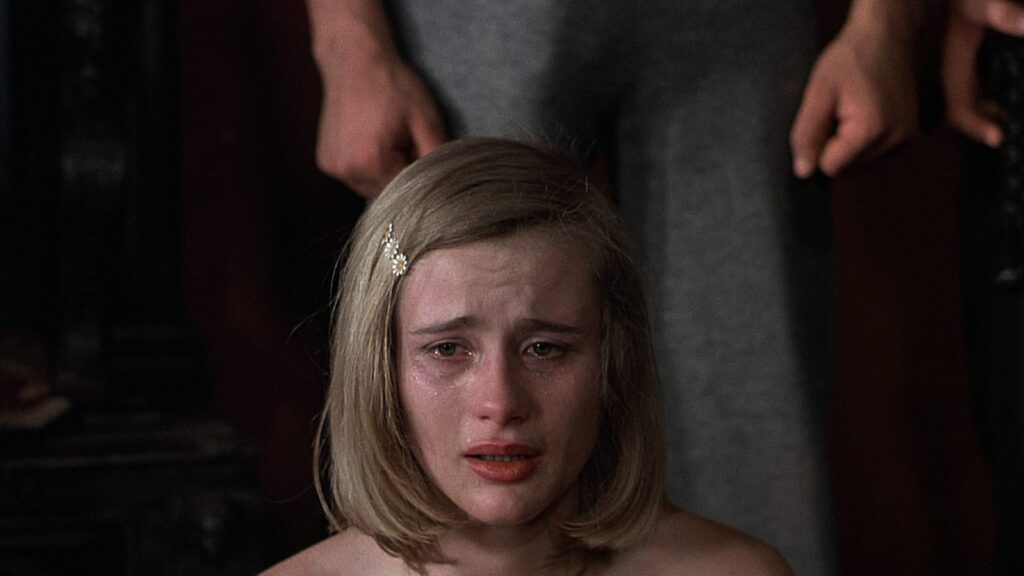
Salò, or the 120 Days of Sodom, was the tale of a fascist puppet state of Salò that took place during World War II. It showed four wealthy Italian elites who kidnap 18 teenagers, both boys and girls, and subject them to extreme violence and physical torture. The film was filled with nudity, graphic violence, and physical and psychological abuse.
The film showed scenes of violent s*xual assault, murder, and even a disturbing ritual where humans consumed human feces. The recent announcement about the film’s screening in London sheds light on what happened when the film was shown in the city in 1977. A private showing in Soho was raided by the police, who seized the print, alleging “indecency.”
Salò was allowed to be released in the U.K. only in 2000. However, due to its disturbing nature, it never found a home on any of the mainstream streaming platforms. A source close to London’s Barbican Center told RadarOnline:
This isn’t a film we screen lightly. Salò still shocks, but that’s exactly why it remains relevant. It’s about the abuse of power, the commodification of bodies, and the way horror becomes spectacle – all themes that feel disturbingly modern.
Marco Lucantoni, one of the surviving actors from the film, shared that the film was Pasolini’s “way of exposing the physical and moral corruption of power.” He shared, “It wasn’t pornography – it was a warning. But it cost him dearly. He was playing with fire, and we all knew it.” The actor added:
Pasolini foresaw what Italy – and the world – would become. He saw how power corrupts absolutely and how people can consume horror without flinching. That’s why it still matters, even 50 years later.
Many critics, who dismissed it due to its grotesque content, later acknowledged the film’s political statement. However, the film continued to be described as ‘essential to see but impossible to watch.’
What do you think of Pier Paolo Pasolini’s Salò? Let us know in the comments below!