















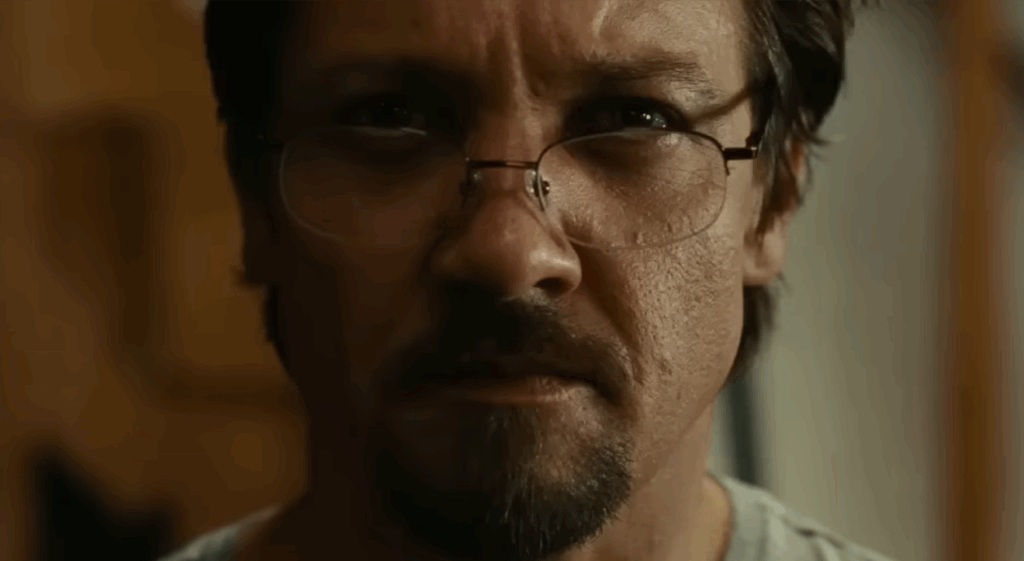

Taylor Sheridan‘s Sicario (2015) is easily one of Hollywood’s most disturbing movies to date, but there’s one that beats it if you really think about it – Michael Cuesta‘s Kill the Messenger (2014) starring Jeremy Renner.
The movie is adapted from Nick Schou’s namesake novel and Gary Webb’s Dark Alliance. Based on a true story, it follows real-life reporter Webb, who unveils the CIA’s role in arming the Nicaraguan Contras and ends up becoming the target of a smear campaign.
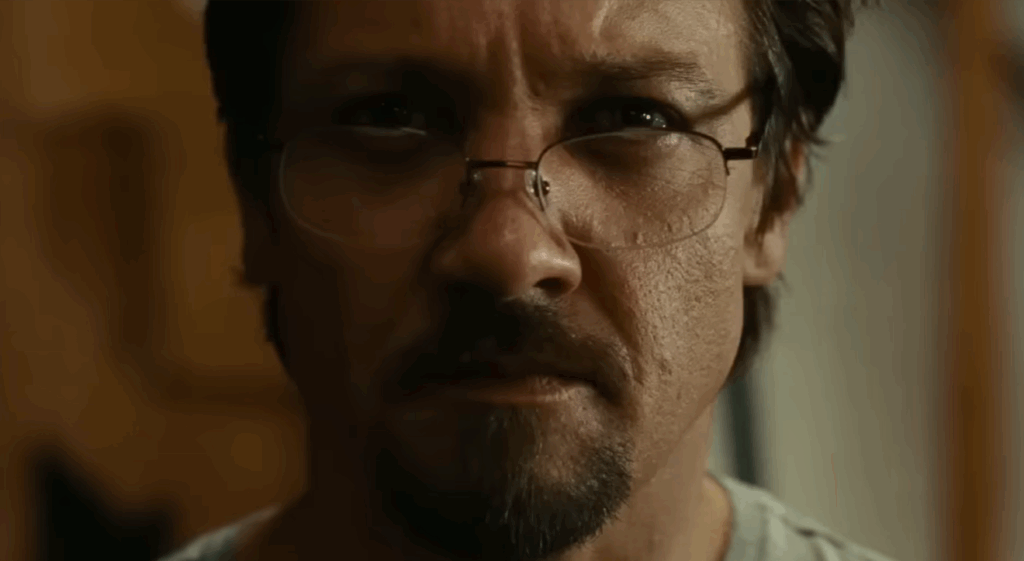
Renner plays the role of Webb, a man who was pushed to his limits. Despite some factual inaccuracies, the movie remains one of Renner’s most incredible performances to date. Midwest Film Journal’s Nick Rogers gave the movie a score of 3/5, stating (via Quill Mag),
Evokes the detailed energy and ennui of enterprise journalism, and thanks to Jeremy Renner’s best performance outside The Hurt Locker, Webb comes across as a more meaningfully complex character than most comparable crusaders, real or imagined.
Kill the Messenger sticks with the audience because it’s not just another journalism thriller. It’s a gut-punch realization that the truth always comes with a price. Renner has delivered one of his most grounded performances as Gary Webb, proving that he’s more than just “that actor from Marvel”.
The smear campaign against Webb drives him to the last resort: Suicide. Kill the Messenger ends with an epilogue that reveals that the investigative reporter shot himself in the head twice in 2004, resulting in his death. His death was ruled a suicide.
Why Jeremy Renner Couldn’t Stop Himself From Doing Kill the Messenger
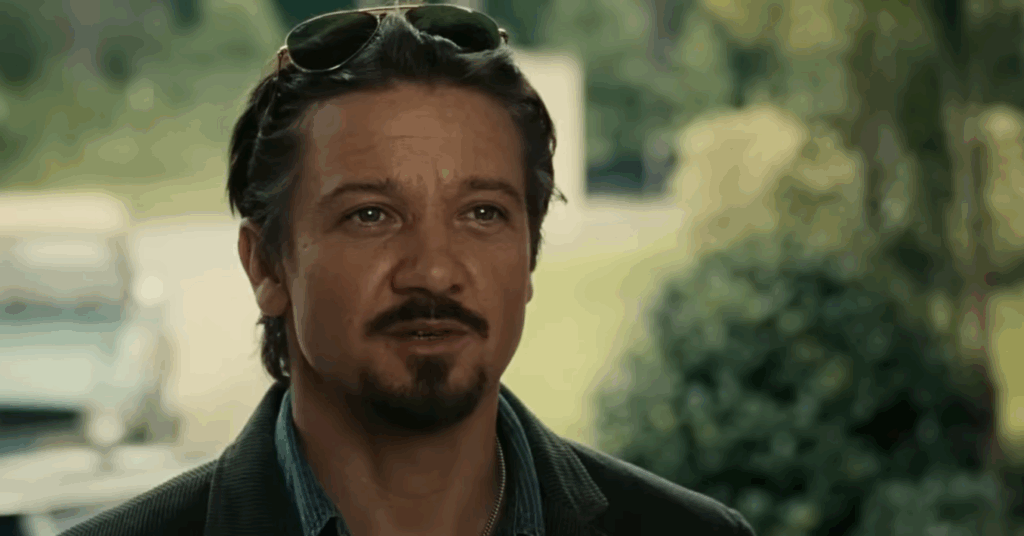
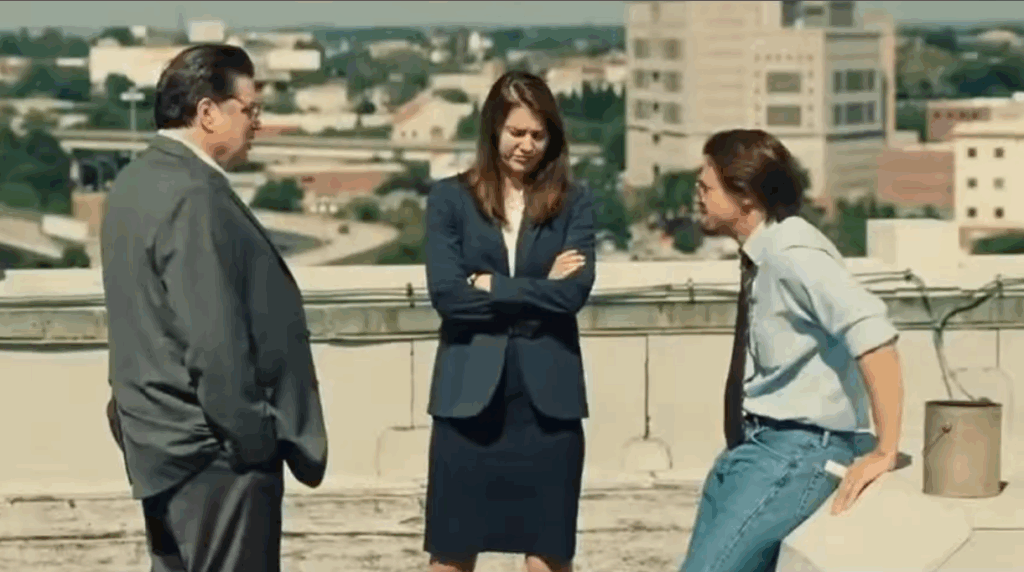
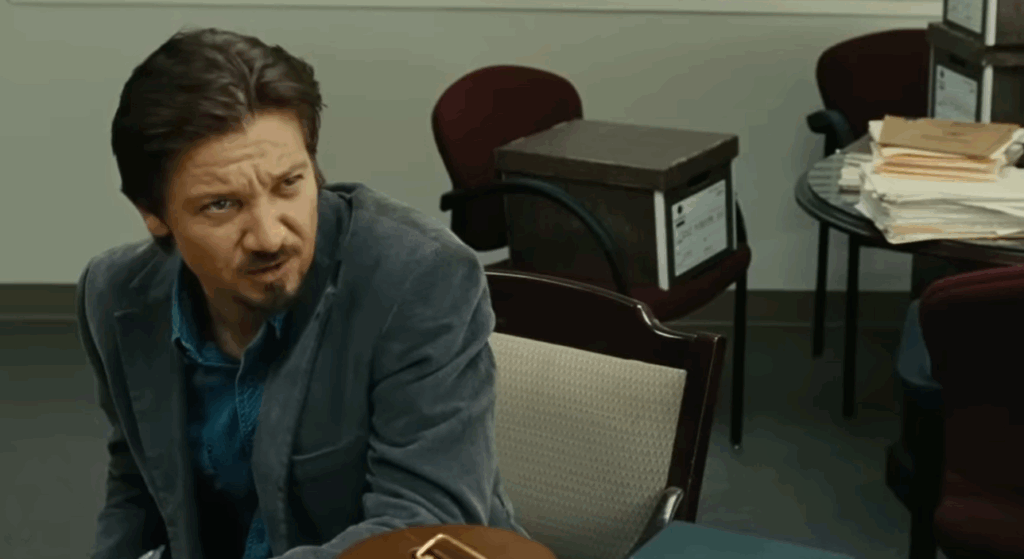
Jeremy Renner has played all kinds of roles in his career so far. He has been a world-saving superhero, a witch hunter, and the literal Mayor of Kingstown. But what sets Kill the Messenger apart is that Renner wasn’t just giving life to a fictional character; he was channeling a real-life person’s courage and downfall.
Talking to the Eagle about the “challenges of playing a character that was once a real person“, Renner addressed the limitations with complete candor. He stated,
Well, the challenges are that there’s information out there. You’re limited to what exists or existed. It’s easier at first because there’s a roadmap to finding that character because there’s lots of information about them and they exist. So, the picture is sort of half-painted and I just kind of have to fill in more details about them. I just can’t veer too far from the truth.
He went on to be nominated for Best Actor at the Women Film Critics Circle and won the award at the James Agee Cinema Circle.
The Real Story Behind Kill the Messenger: What Really Happened?

The incident that would change Gary Webb’s life forever began when he published three articles for the San Jose Mercury News in 1996 under the title, Dark Alliance. The Pulitzer Prize-winning reporter blamed the CIA for bringing crack cocaine to the USA in the 1980s (via TIME).
He conducted a long investigation to prove his theory and discovered a San Francisco-based drug ring with ties to the FDN, a CIA-sponsored Nicaraguan contra group. Webb found out that the drug ring was selling cocaine to a dealer in South Central Los Angeles.
In turn, the money made from these sales was being put towards funding a war against the Sandinista regime, as per Webb’s findings. He accused the CIA of getting poor African Americans addicted so that it could fund the Central American rebels.
Webb’s story went viral before viral was a thing. However, most dismissed his story as a mere conspiracy theory. Even the executive editor of Mercury News, Jerry Ceppos, detached himself from the story, calling it flawed and stating that there was no proof of the CIA’s connection to it all.
Eventually, Webb resigned from Mercury News and went on to publish his book, Dark Alliance: The CIA, the Contras and the Crack Cocaine Explosion. Later, a CIA inspector’s general report confirmed Webb’s story that the CIA had indeed worked with the contras in spite of the allegations against them. On the other hand, it denied the ties between the U.S. government and the drug dealers mentioned by Webb.
Despite confirming his thesis, Webb’s reputation was tarnished beyond repair. His death on December 10, 2004, may have been ruled as a suicide, but the two gunshot wounds to his head had people thinking otherwise.
In 2004, Gary Webb, the California reporter who first broke the story of CIA involvement in the cocaine trade, was found dead with "two gunshot wounds to the head". His death was ruled as suicide. pic.twitter.com/ol8oFCGtXH
His ex-wife, Susan Bell, told reporters that she fully believed Webb had died by suicide. She stated (via Sacramento Bee), “The way he was acting it would be hard for me to believe it was anything but suicide.” Bell also claimed that Webb was distraught over his inability to get a job at another major newspaper.
Before his death, Webb mailed notes to his family members and even placed his baby shoes in his mother’s shed. He had planned his cremation a year prior and named Bell as the beneficiary of his bank account. He even sold his house as he couldn’t afford the mortgage.
The fact that Kill the Messenger tells the story of a man who so desperately wanted to be heard and believed is what makes it so much darker than Sicario.
Have you seen it yet? Let us know your thoughts on the movie and Renner’s performance in the comments section below.
Rent/Buy Kill the Messenger on Prime Video.