

















James Gunn is taking the gloves off and throwing heavy punches at the competition. The co-CEO of DC Studios has officially drawn a line in the sand regarding the future of Batman, and in the process, he seemingly dragged Sony Pictures through the mud for their embarrassing mishandling of the Spider-Man franchise. In a candid and aggressive exchange on Threads, Gunn made it crystal clear that he refuses to let the Dark Knight suffer the same box office cannibalism that plagued Tom Holland and Tom Hardy in . The message is loud and clear: DC won’t be repeating the sloppy mistakes that left Venom: Let There Be Carnage eating dust.
The drama started when a fan accused Gunn of “undervaluing” Bruce Wayne’s importance in the new DC Universe. Gunn, never one to back down from a fight, fired back with a strategic bombshell that exposes the chaotic release schedules of rival studios. “I’m not at all,” Gunn snapped back. “I think both Batman and WW [Wonder Woman] are incredibly important. But I’m also not going to have two Batman movies come out in the same year.” It was a subtle but savage dig at the saturation strategy that nearly derailed the Spider-Verse, and sources say Sony execs might be feeling the burn.
Gunn’s vicious Swipe At Sony’s ‘Spider-Man’ Disaster

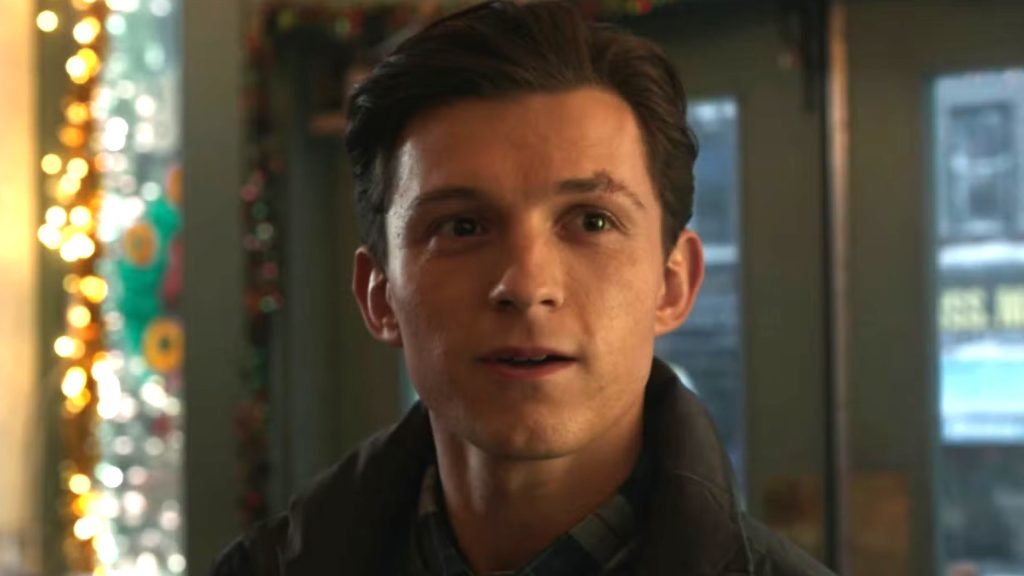
Let’s read between the lines here. Gunn’s refusal to release two Batman films in the same calendar year is a direct indictment of the messy showdown between Spider-Man: No Way Home and Venom: Let There Be Carnage. Sony thought they could flood the market with web-slinging content, but the numbers tell a brutal story of fratricide. While Tom Holland’s multiverse epic raked in nearly $ billion, Tom Hardy’s symbiote sequel was left fighting for scraps, pulling in a measly $ million by comparison. It was a humiliation on a global scale.
Insiders have long whispered that audience fatigue is real, and Gunn knows it. By spacing out his projects, he is essentially calling Sony’s strategy desperate and short-sighted. Let There Be Carnage wasn’t just a critical flop with a % Rotten Tomatoes score; it was a financial victim of its own studio’s greed. Gunn is signaling to the industry that he values quality control over quick cash grabs. He is telling the world that the DCU won’t treat its biggest icon like a cheap commodity to be shoveled out twice a year.
Gunn is basically saying Sony has no idea what they are doing. Two Batman movies in one year would be suicide and he knows it. Finally, someone with a brain is in charge.
The ‘Bat-Sphere’ Lockdown: Protecting Robert Pattinson

This strategic pause isn’t just about avoiding flops; it is about protecting the brand. We currently have Robert Pattinson slaying the role in Matt Reeves’ gritty The Batman universe. Gunn confirmed that we are “well into Batman ,” referring to Reeves’ upcoming sequel. By holding back his own DCU Batman film, The Brave and the Bold, Gunn is preventing a “Bat-Civil War.” He explicitly stated he doesn’t want to “cloud the Batsphere,” a term that is sure to become industry slang for avoiding franchise confusion.
Rumors suggest there is massive pressure behind the scenes to get a DCU Batman on screen to rival Marvel’s Avengers lineup. But Gunn is resisting the urge to rush. He is prioritizing the script over the release date, a concept that seems foreign to most modern studio heads. “I’m dependent on when there’s an actionable script ready so there is no way of me guessing this,” Gunn admitted. It is a bold move to keep fans waiting, but it avoids the disaster of having two different actors playing Bruce Wayne in theaters simultaneously, confusing the general public and diluting the IP.
Script Chaos? ‘Brave and the Bold’ Nowhere Near Ready

While Gunn is playing the “quality control” card, whispers from the writers’ room suggest that The Brave and the Bold might be stuck in development hell. Gunn confessed that the writing process is a nightmare of endless drafts. “It’s one draft away and then you get the next draft and go, ‘You know what? I still think it needs one more draft to get there,'” he revealed. Is this perfectionism, or is the team struggling to crack the code on a new Batman that can stand apart from Pattinson’s masterpiece?
Fans are getting restless. With Superman already casting and filming, the lack of a Batman is a glaring hole in the new Justice League lineup. Gunn’s refusal to commit to a timeline suggests we might be waiting years before we see the Bat-Family on the big screen. Is the DCU risking losing momentum by sidelining their most popular character? Or is this the genius move that saves the franchise from the superhero fatigue killing the competition?
Sony’s Venom Humiliation Re-Examined

Let’s go back to the Sony disaster that seemingly inspired Gunn’s new policy. The release of Venom just months before No Way Home was a masterclass in self-sabotage. The studio cannibalized its own audience. Fans saved their money for the main event (Spider-Man) and treated Venom like a streaming-only side dish. Gunn is clearly studying these failures like a hawk. He knows that if he drops a DCU Batman movie anywhere near Matt Reeves’ sequel, one of them will die at the box office.
By calling out the scheduling conflict, Gunn is implicitly trashing the decision-making at Sony. It is a power move that asserts DC’s dominance not just creatively, but strategically. He is painting himself as the savior who will restore sanity to comic book movie scheduling. But with the stakes this high, one wrong move could send the entire house of cards tumbling down.
Gunn’s Risky Bet: Can Fans Wait Forever?

The “one Batman at a time” rule is smart, but it is also risky. We live in an era of instant gratification. If Matt Reeves’ The Batman Part II is delayed—which happens constantly in Hollywood—that pushes Gunn’s Batman back even further. We could be looking at a scenario where the main DC Universe doesn’t have a Batman until nearly or later. Can a Justice League universe survive that long without its tactical leader?
Gunn is betting that absence makes the heart grow fonder. He is betting that fans would rather wait for a perfect script than suffer through a rushed, mediocre cash grab. It is a gamble that defies current Hollywood logic, which usually dictates “release everything now.” If it works, he is a genius. If it fails, and interest wanes, he will be the guy who benched Batman during the most critical phase of the DC reboot.
We are well into Batman , and I wouldn’t want to cloud the Batsphere until after that.
The Verdict: War Of The Studios

James Gunn isn’t just making movies; he is waging war on the old ways of doing business. His comments are a direct shot at the sloppy, quantity-over-quality approach that has plagued superhero films for the last five years. He is telling Sony, Marvel, and even the old Warner Bros. regime that their methods are broken.
Will Sony respond? Probably not. They are too busy counting their Spider-Man money and trying to figure out how to make Madame Web happen (spoiler: it didn’t). But for DC fans, Gunn’s aggressive stance is a breath of fresh air. He is protecting the cowl at all costs, even if it means keeping the Bat-Signal turned off for a few more years. The message is simple: You don’t mess with the Bat, and you definitely don’t release him twice in one year unless you want a box office bloodbath.