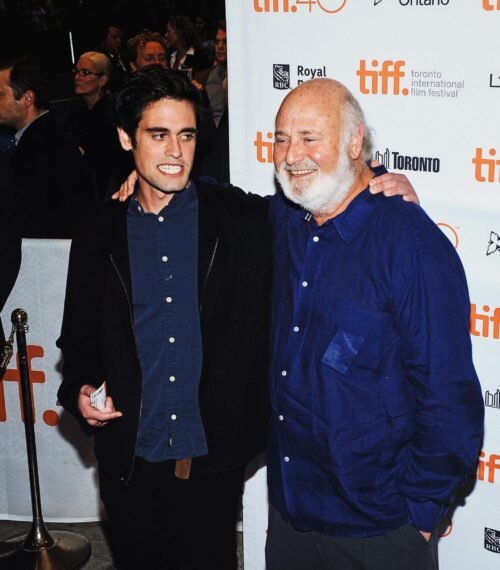















Avengers star and industry veteran Stellan Skarsgard recently spoke to Vulture about his perception of the revolutionary filmmaker Ingmar Bergman, stating:
He was not manipulative as a director, but he was a manipulative man in life. He executed his power through remote control. He made sure that the right people got the right jobs and that the wrong people got fired. That people’s careers either flourished or vanished.
The 74-year-old actor collaborated with Ingmar Bergman on a 1986 stage production of August Strindberg’s A Dream Play and the 1983 TV adaptation of Molière’s The School for Wives. Despite not mincing words about the director, Skarsgard still respects the director’s work and influence.
How True Are Skarsgard’s Comments About Ingmar Bergman

Skarsgard’s comments refer to a time in Swedish theater where Bergman would abuse his influence. Jane Magnusson, director of the 2018 documentary Bergman: A Year in a Life, corroborates these claims in her film, stating (via Independent):
As Bergman got older his temper got worse. The crap that people had to put up with at the Royal Dramatic Theatre in Stockholm during the 1990s is insane. He crushed and destroyed people and should have been told to go home. But he kept the crowds coming and no one intervened.
The 2018 documentary highlights a particular incident during Bergman’s 1995 production of Molière’s The Misanthrope at the Royal Dramatic Theatre. Actor and director Thorsten Flinck took the lead role in the production, along with the blame for his colleague’s truancy, resulting in Bergman ill-treating Flinck to the point of “psychological torture” (via Literary Review)
ingmar bergman was so hitlerian that he threatened roy andersson and other film students with being blacklisted if they kept making leftist films https://t.co/lfBE38sef3 pic.twitter.com/xEcVUJfC2l
The Independent piece also highlighted the brutal nature of Ingmar Bergman’s vindictive side. Even Ingrid Bergman, who starred in Autumn Sonata (1978), was so upset by his demanding approach that she slapped him.
The NY Times noted Jörn Donner’s (producer of ‘Fanny and Alexander) comments in 1983 that Bergman’s influence had grown so far and wide that
he tries to influence their professional life. He says, ‘You should do that, you should not do this.’ In Sweden, he has enormous power – he has made careers and indirectly probably destroyed them – and so people tend to listen.
Ingmar Bergman appeared to have a certain level of self-awareness, admitting he could be “cruel” to actors and had a short fuse, telling The New York Times Magazine in 1983 (via Independent):
I am very much aware of my own double self. The well-known one is very under control; everything is planned and very secure. The unknown one can be very unpleasant. I think this side is responsible for all the creative work — he is in touch with the child
Ingmar Bergman died at the age of 89, leaving behind a legacy of films that have revolutionized modern cinema and influenced many of your favorite directors.
From The Seventh Seal to Fanny and Alexander: Bergman Left Behind a Complex Legacy
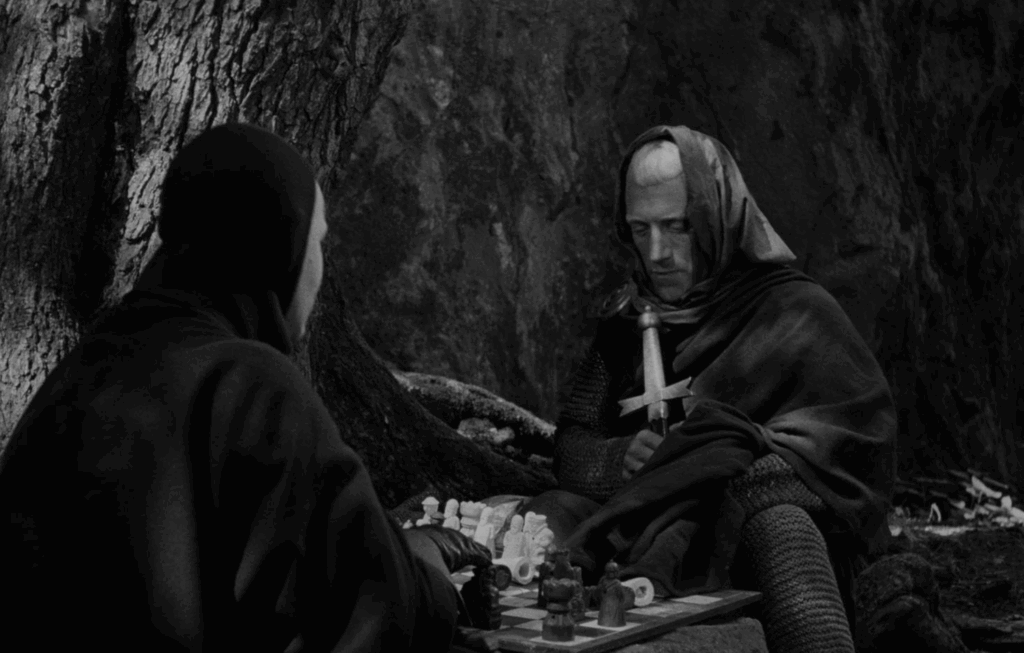



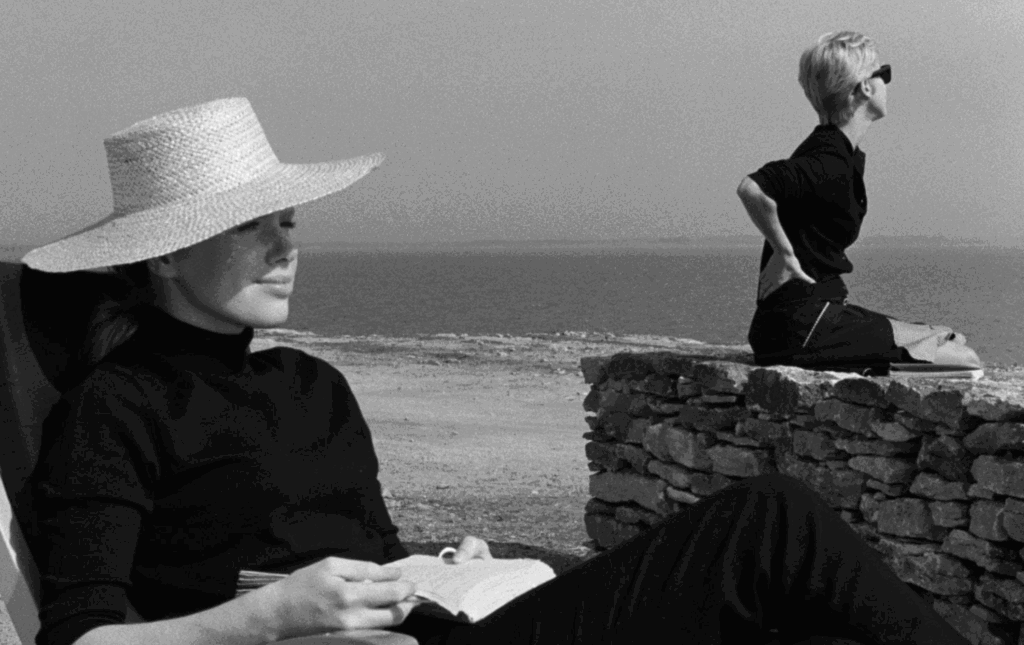
Ingmar Bergman is widely considered a visionary filmmaker whose professional and personal life was marred by controversy. Between 1951 and 1982, he directed over 60 films that revolutionized how filmmakers approached character psychology, existential themes, and visual storytelling.
Persona (1966) dir. Ingmar Bergman pic.twitter.com/fmiJlW7dct
Here is a table of movies he is known for making during this period, along with the legacy it left behind.
Ingmar Bergman’s filmmaking legacy stretches far and wide, despite his troubled approach to directing. According to Variety, Stellan Skarsgard called Bergman a Nazi and claimed he was the only person “who cried when Hitler died.” As Bergman grew older, he struggled to grasp his mortality, and being the existentialist he was, often projected his own insecurities as a means of retaining control.
His romantic entanglement with his professional life often blurred the boundaries, and he would attract accomplished actors who would leave their families behind for him. This added to his symbol of being perceived as manipulative and powerful.
All said and done, Skarsgard arrived at the conclusion whose sentiment a majority of the film industry resonates with:
Artists are complicated people. You can be a great artist and still be an asshole. But that doesn’t mean you can’t make great work.
Bergman’s willingness to explore psychological darkness, technical mastery, and refusal to provide easy answers or comfortable resolutions established a template for artistic seriousness. Ingmar Bergman was a complex man with a complex legacy, and we are all the wiser for his accomplishments and shortcomings.
What is your favorite Ingmar Bergman film? Let us know in the comments.
Ingmar Bergman’s films can be streamed on HBO Max, MUBI, and Kanopy in the U.S.