

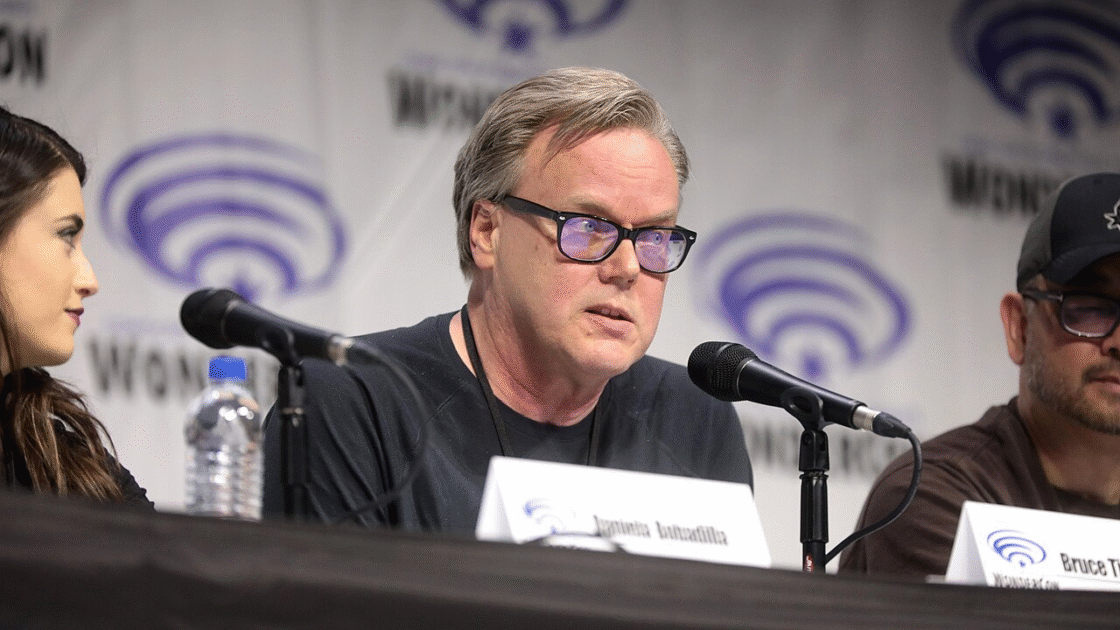

When it comes to blurring the lines between kids’ cartoons and animated series catered towards a more mature audience, Bruce Timm managed to combine both into the DCAU, bringing balance to the medium. But sometimes, things went too far, which the creator thought was acceptable, and even justified in an interview (via DC Animated), saying:
We’ve always tried to find that middle ground between “adult” entertainment and “kid-friendly” elements. Sometimes we’ve walked right up to that line and possibly have stepped over it a tiny bit, but it’s all relative. I admit we pushed the boundaries of the Y-7 rating several times in season 2…
in terms of “adult” content, but it’s NOTHING compared to what goes on in primetime “family hour” shows like “Friends,” say. For the most part, I would roughly equate the level of “sex appeal” stuff in JL to the kinds of things the old STAR TREK show might have gotten away with. And that was 30-some-odd years ago.
Thus, just because it had some elements of mature themes wasn’t a big problem, but in fact, a strength of the DC animated universe, as it managed to elevate the entire medium to what we have today.
Bruce Timm Brought a Mature Balance to the DCAU Before It Became Popular
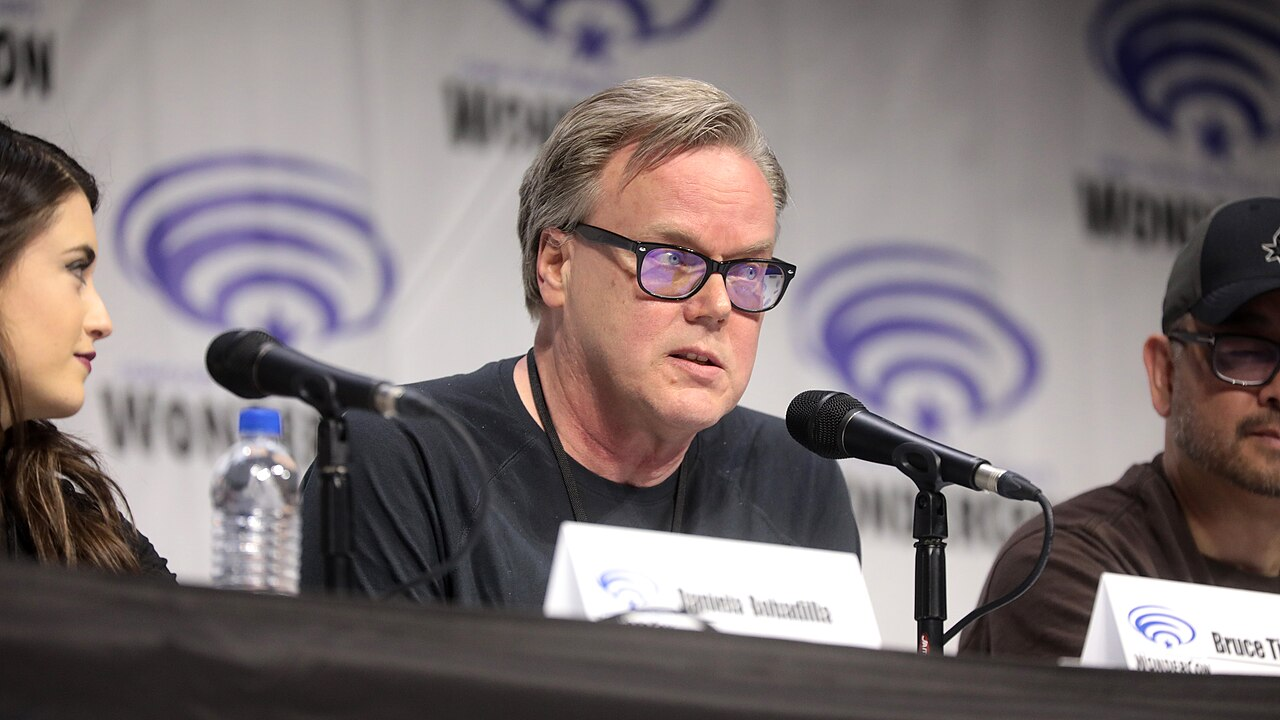
One of the big things that Timm’s writing managed to bring accessibility and maturity in a balance was setting boundaries that they could play around with. While other animated shows were more geared towards kids, Timm’s approach was to encompass every viewer demographic.
This meant that each production in the DCAU had to follow a strict code of practice where emotional stakes had to be high but, at the same time, had to refrain from things like full-on nudity and extreme graphic violence. This managed to attract kids but also retain adults who tuned in to see what it was offering.
That factor, combined with tight-knit storytelling and character-driven progression, made the projects in the franchise extremely unpredictable, in turn, helping the viewers experience something new.
And finally, the shows and films respected the source material, as well as the intelligence and time of the audience, which managed to keep older fans engaged, while attracting new ones through their growing reputation. And today, this exact formula is how the MCU and DCU operate their multi-billion-dollar franchises.
Why FRIENDS and Star Trek Never Faced the Adult Theme Controversies
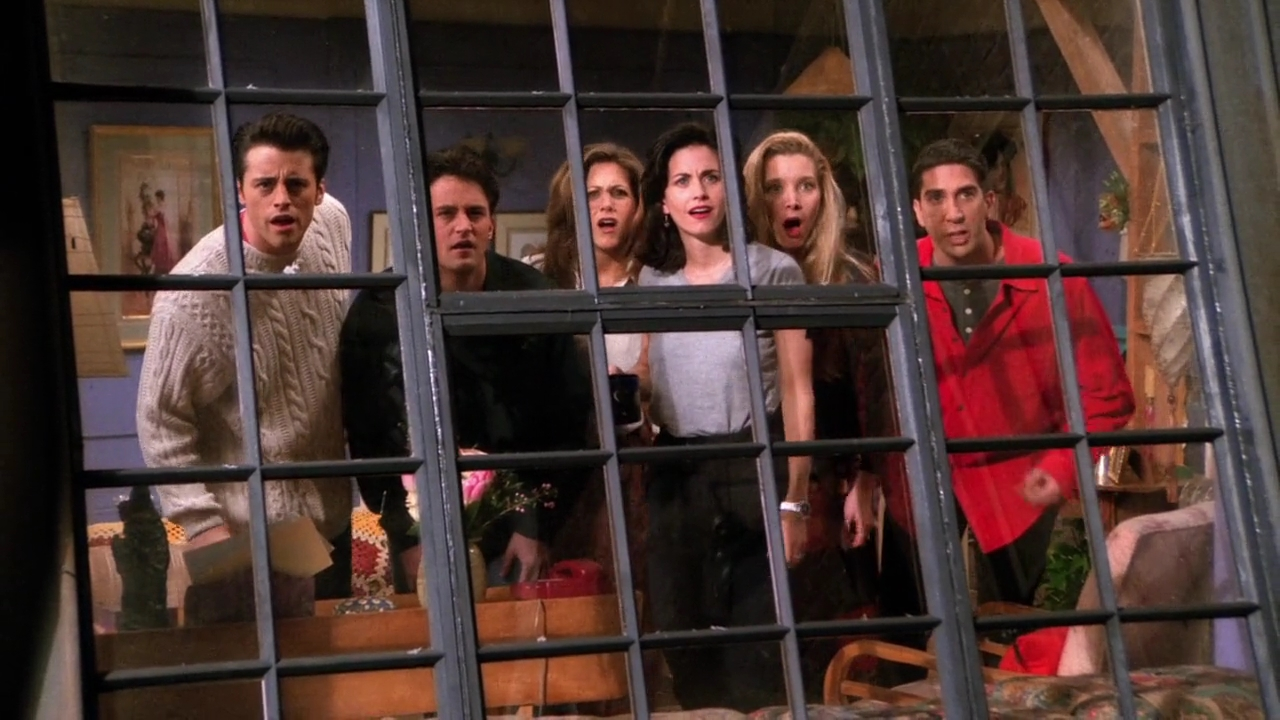
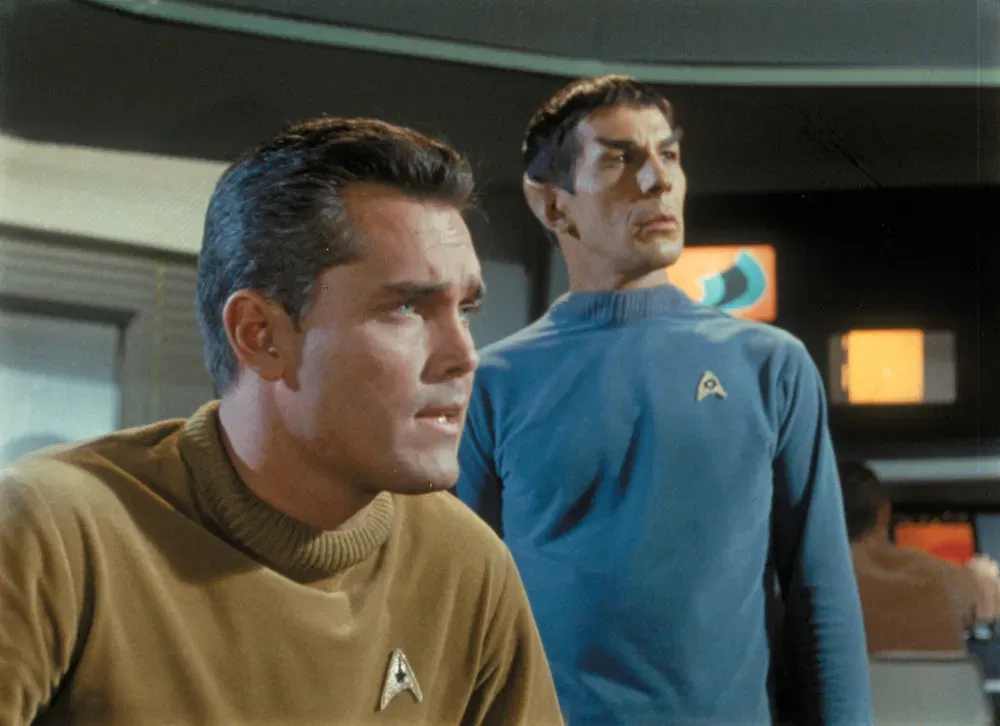
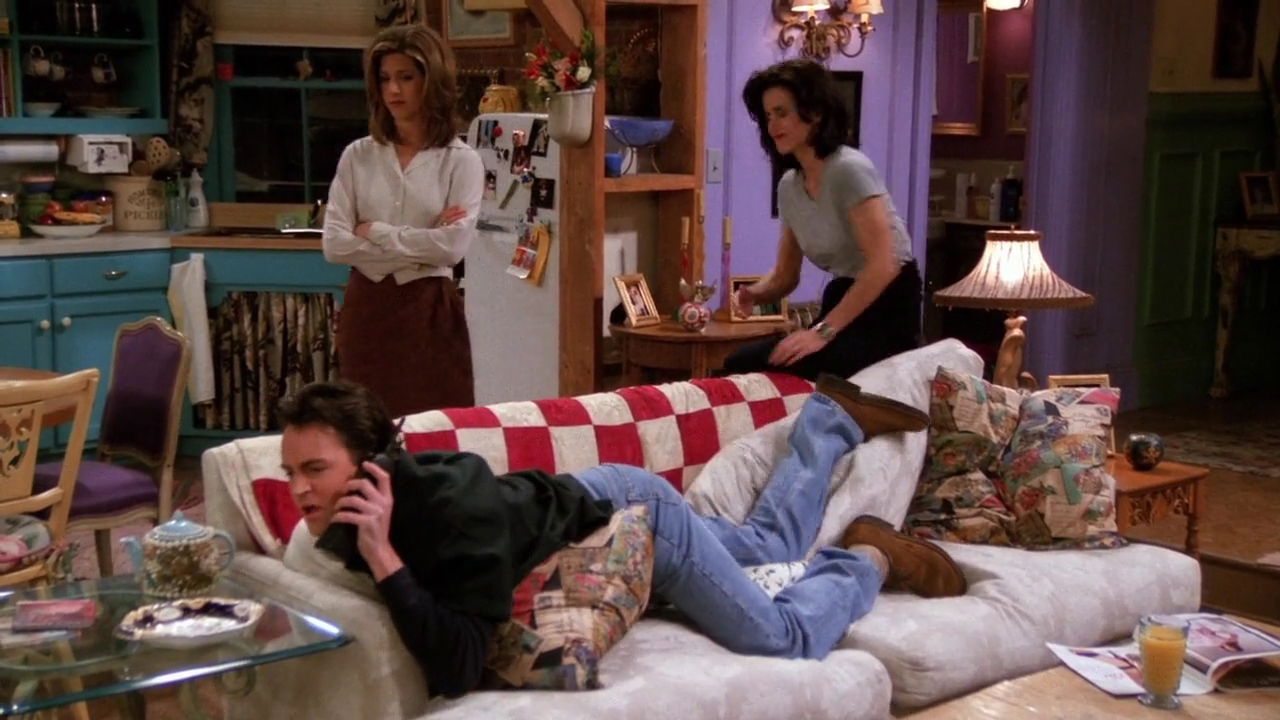
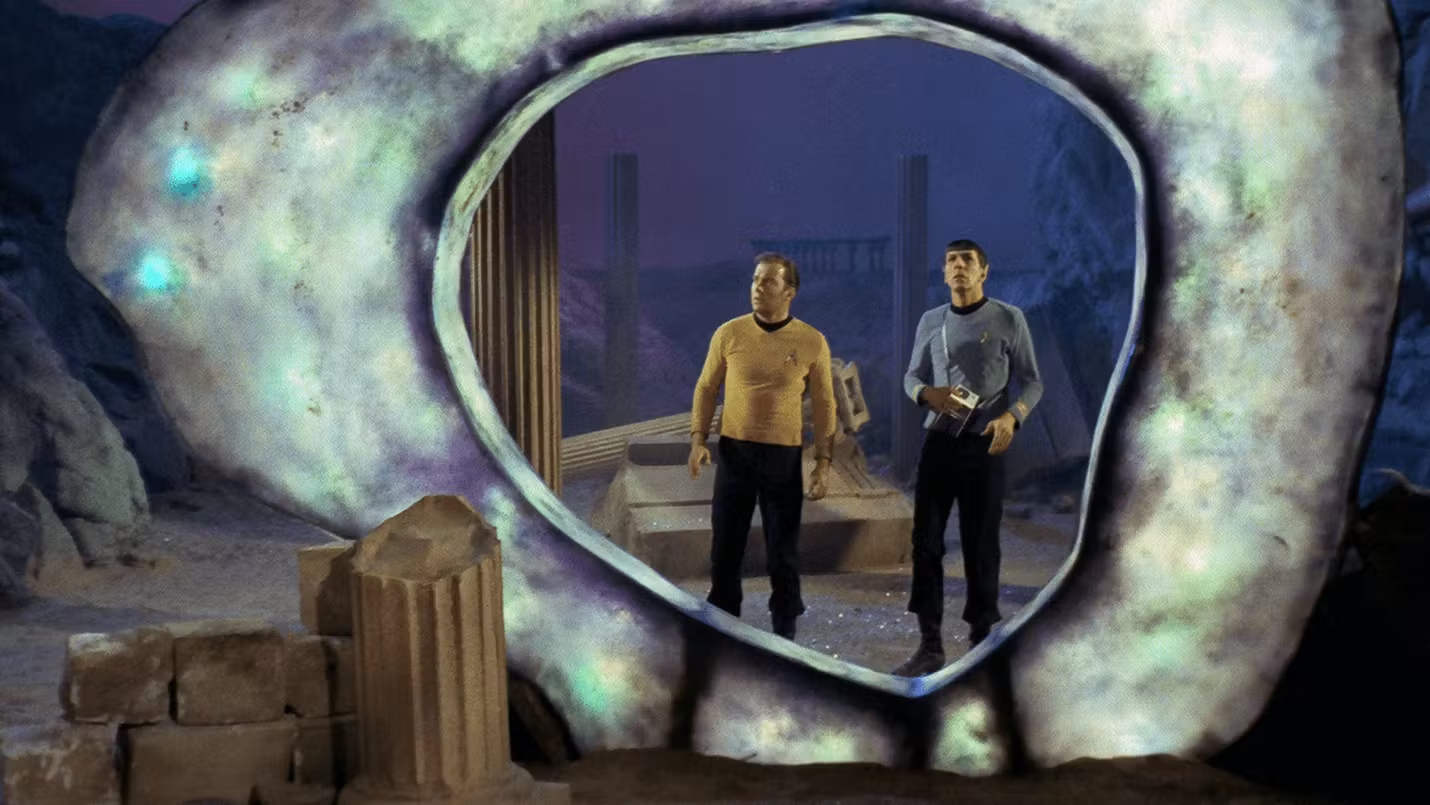
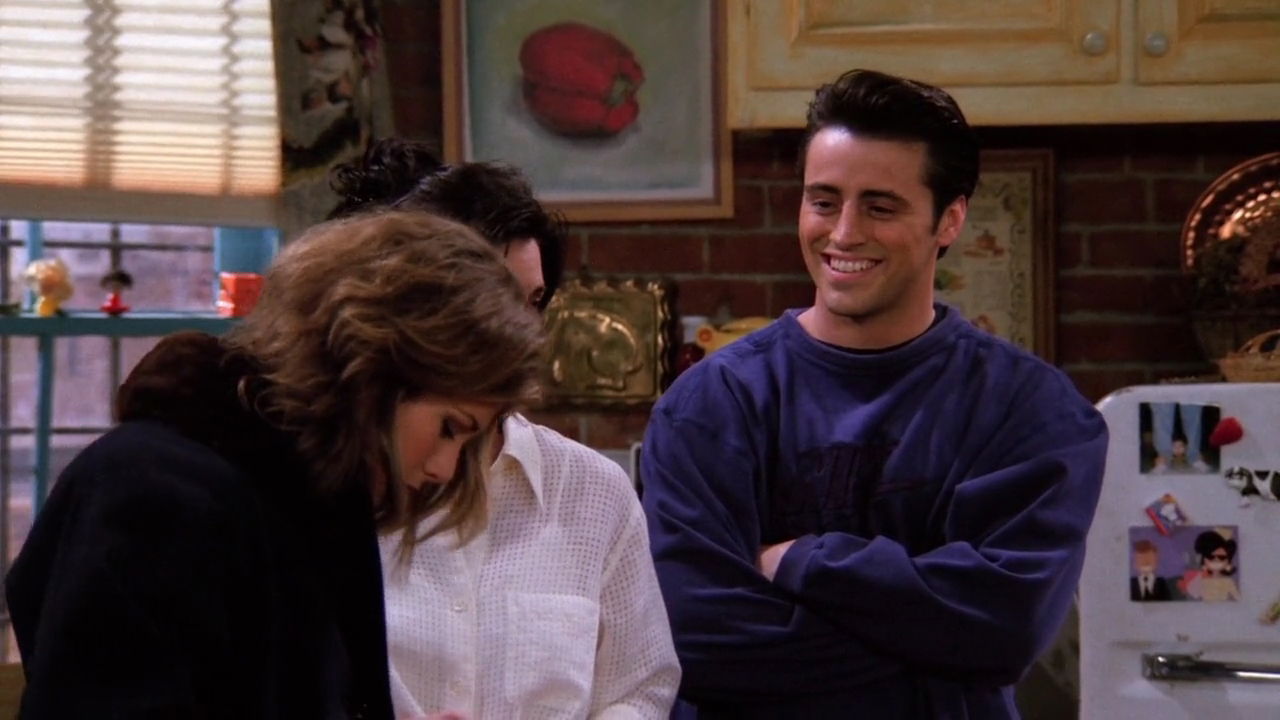
The main differentiating factor between the DCAU and primetime TV series like FRIENDS and Star Trek managed to get away with adult themes and similar sexuality was due to the perception of the medium.
When the DCAU was gaining steam, animated shows were treated as media specifically for children, which made the injection of mature tones a bit unnerving for many who were used to that image. At the same time, these animated projects by the franchise were also rated as such, and the production team had to maneuver around the restrictions to deliver what they wanted.
And when it came to these iconic TV series, most of it was aimed towards mid-teens and young adults, which made the usage of such adult themes almost necessary, if not wanted. Not to mention, non-animated shows always pushed and blended genres with each other, so such themes in the end didn’t quite get the same attention that the DCAU received.
Here’s more information about DC’s Justice League.
Do you like the mature themes the DCAU integrated? Tell us in the comments below.
FRIENDS is currently streaming on HBO Max, and Star Trek: The Original Series is streaming on Paramount+.