















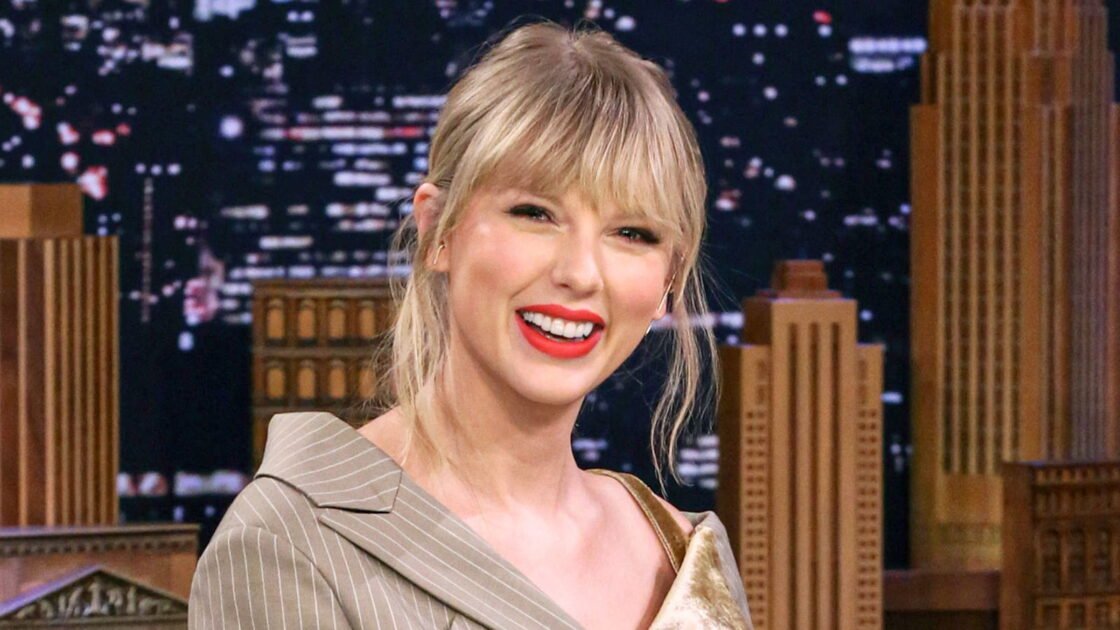

At 35, global pop icon Taylor Swift has proved to be the undisputed Billboard Songwriting Queen, Grammy snub or not. This week, she set a new milestone by spending 27 total weeks at No. 1 on Billboard’s Hot 100 Songwriters chart, the most for any artist to date, as confirmed by Billboard and Chart Data:
Taylor Swift breaks the record for most weeks at #1 on in Hot 100 Songwriters chart history (27 weeks). pic.twitter.com/opFW91bO3D
The record coincided with the release of The Life of a Showgirl, which debuted with over 4 million first-week units and placed every track on the Hot 100 (via Rolling Stone). While her absence from this year’s Grammy nominations raised debate, the reason was procedural; the album arrived after the eligibility window.
From country roots to synth-pop experiments and folk-inspired lyricism, her evolution has continually set new creative standards. To understand why the charts keep repeating her name, it’s worth looking at how Swift’s songwriting redefined pop for a generation.
How Taylor Swift’s Songwriting Redefined Pop for a Generation
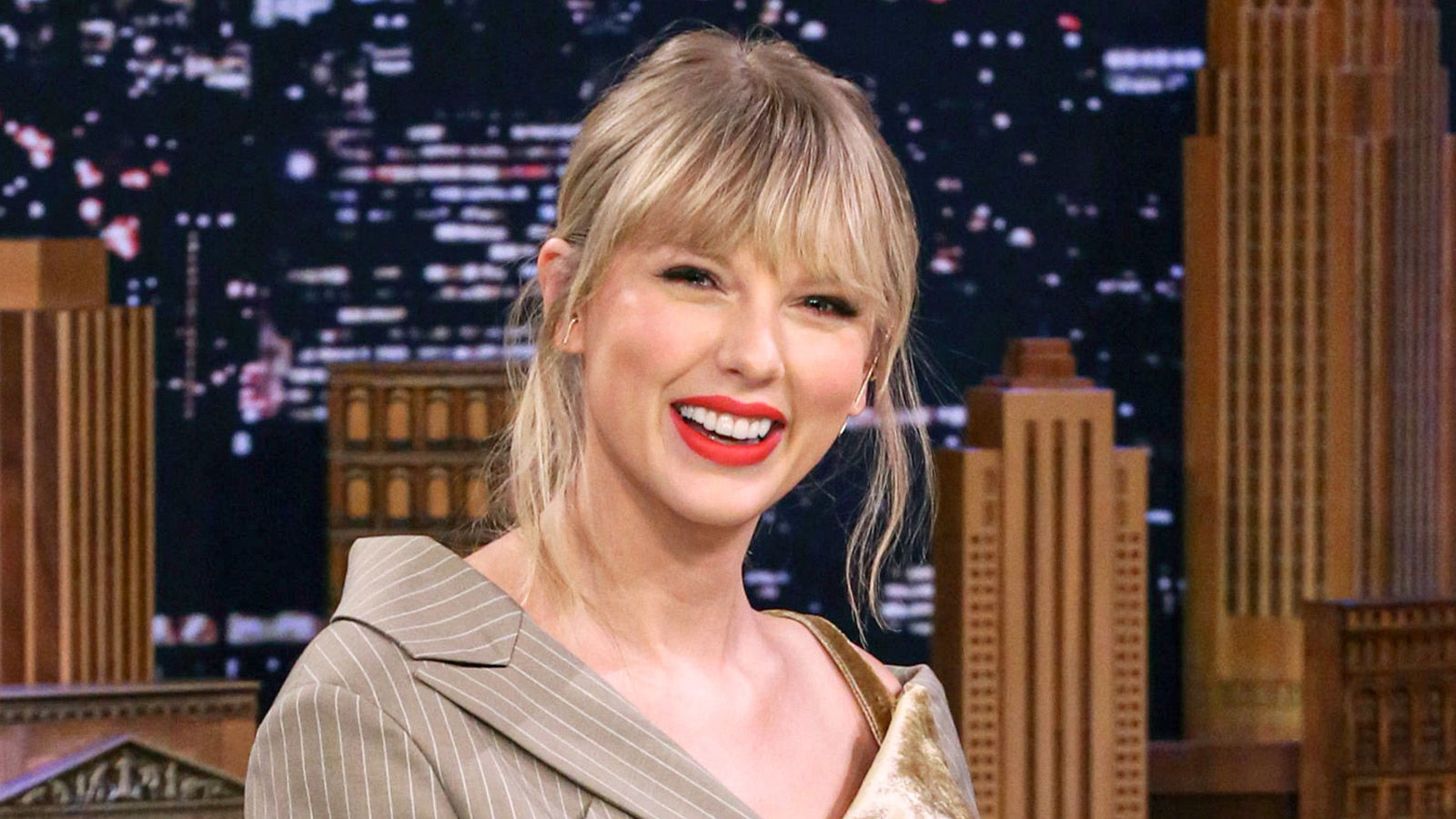
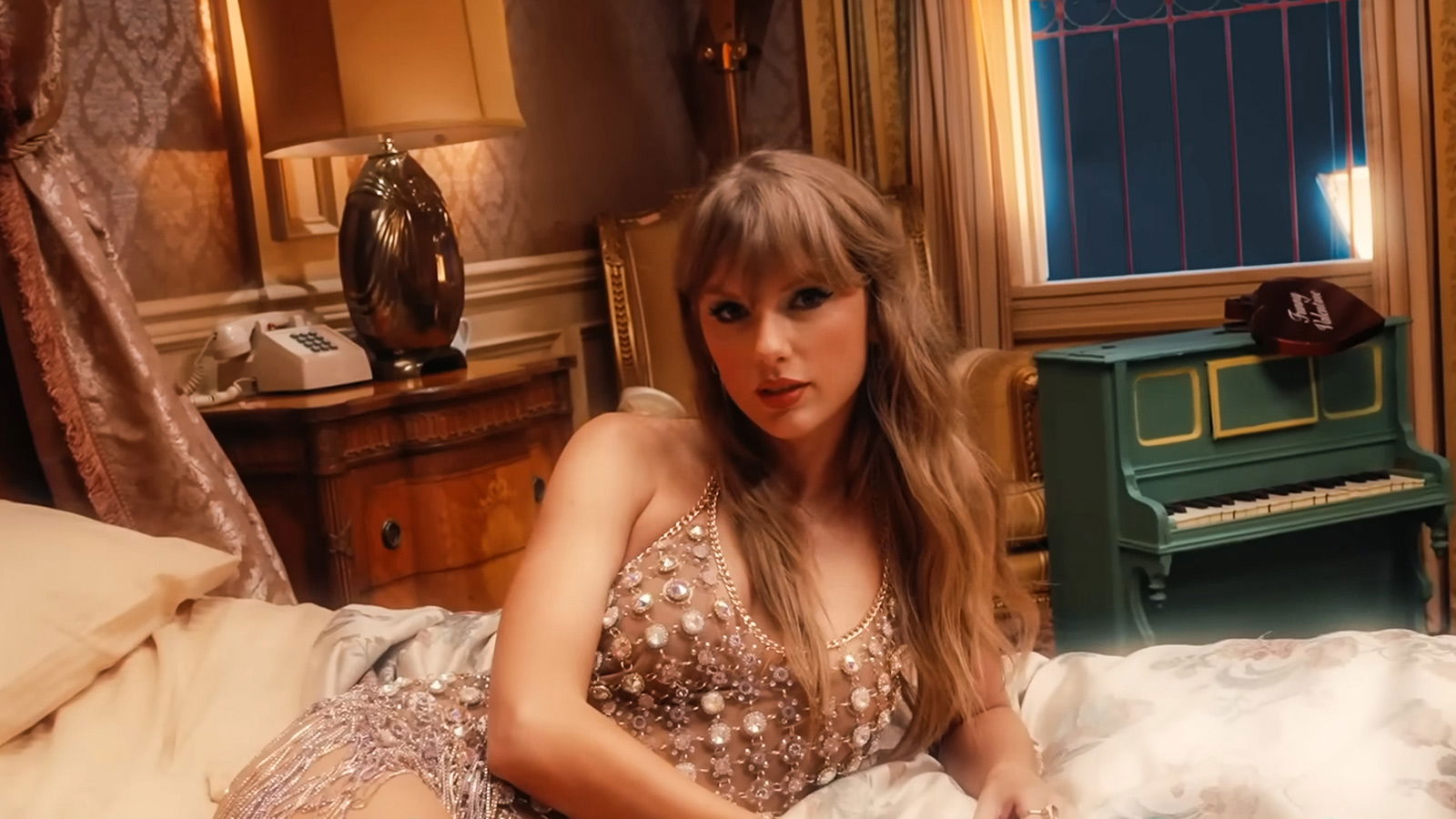
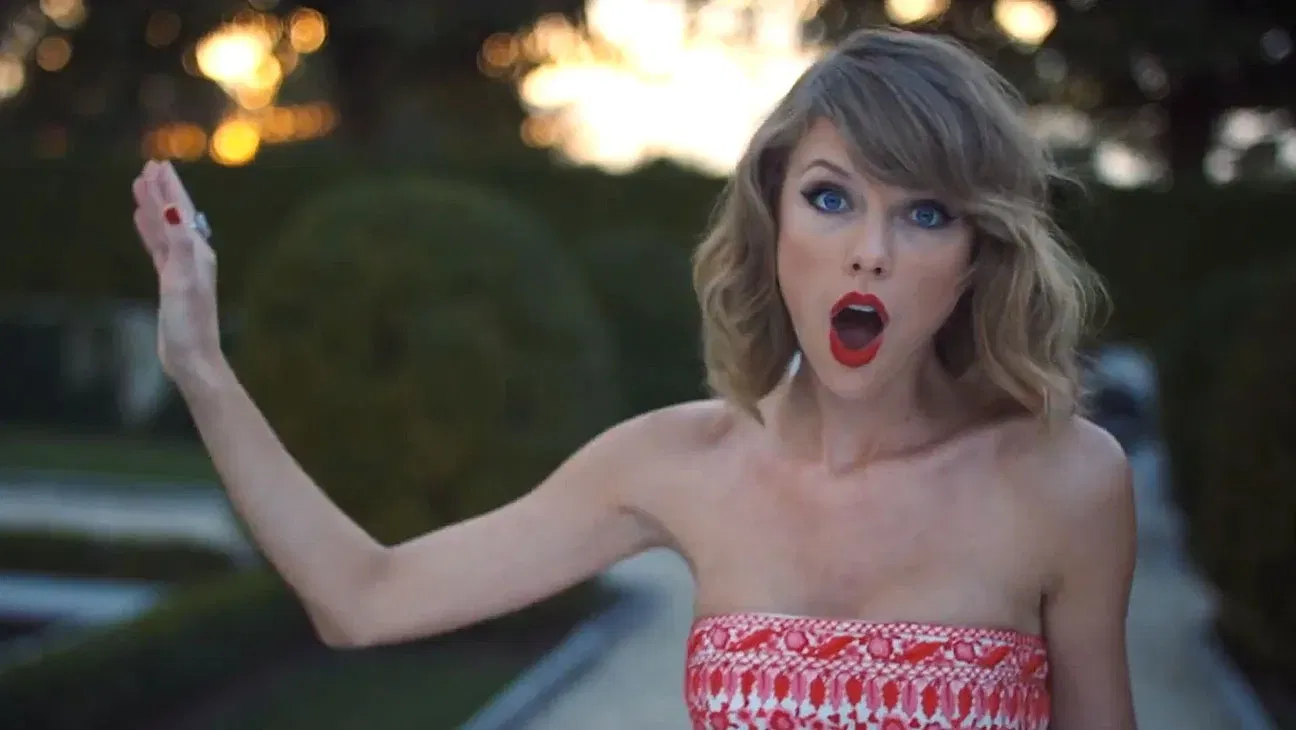
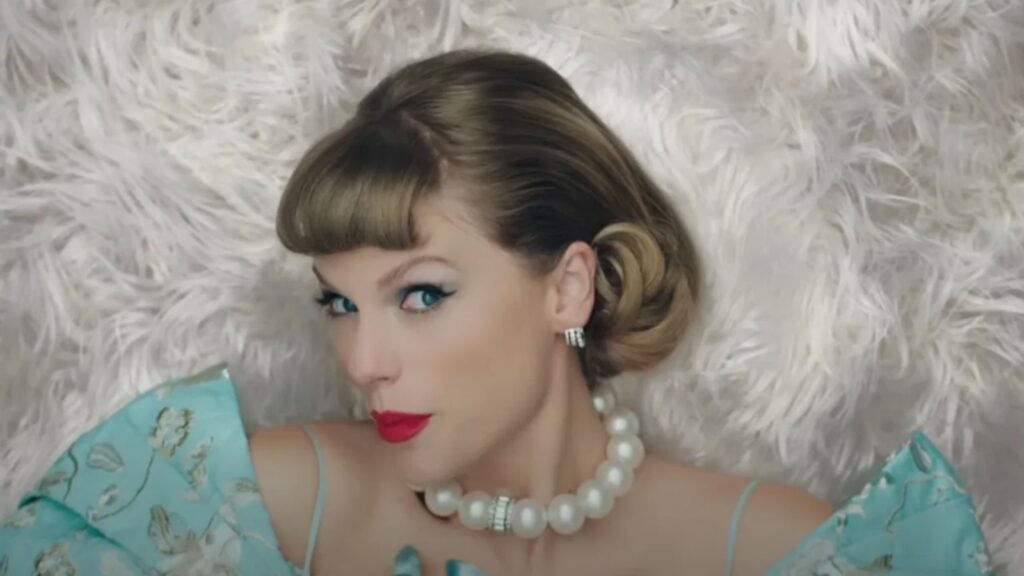
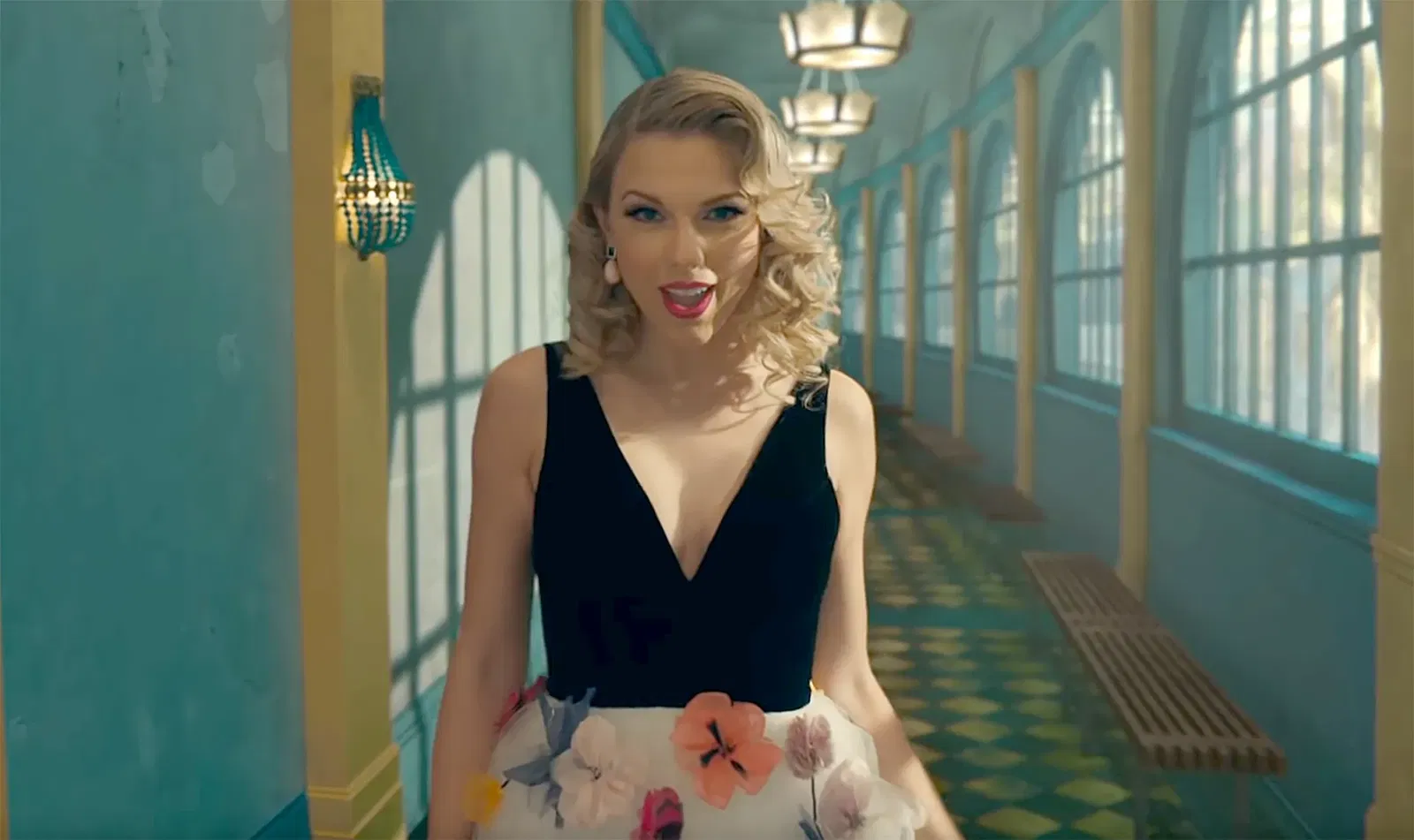
Taylor Swift’s songwriting has been the backbone of her superstardom, not just commercially, but culturally. Her ability to turn personal narratives into universal lyrics helped define the emotional tone of mainstream music over the last two decades. Early albums like Fearless and Red introduced a diary-style authenticity that bridged genres, while 1989 in 2014 defined her as a pop architect capable of pairing introspection with mass appeal.
That evolution deepened during the pandemic era, with folklore and evermore, where her nuanced storytelling shifted pop trends toward softer, intimate sounds. By 2025, her latest record, The Life of a Showgirl, completed that arc, combining theatrical production with the lyrical detail that remains her signature. Every track charted on the Billboard Hot 100, proving how her writing still connects at scale.
Swift’s influence now stretches across a generation of artists who credit her storytelling as inspiration. From Olivia Rodrigo to Sabrina Carpenter, her imprint is clear in the way pop songs blend honesty, narrative, and melodic precision. Two decades in, she has redefined what it means to write pop itself.
Taylor Swift’s Grammy History: From Record Wins to Controversial Snubs
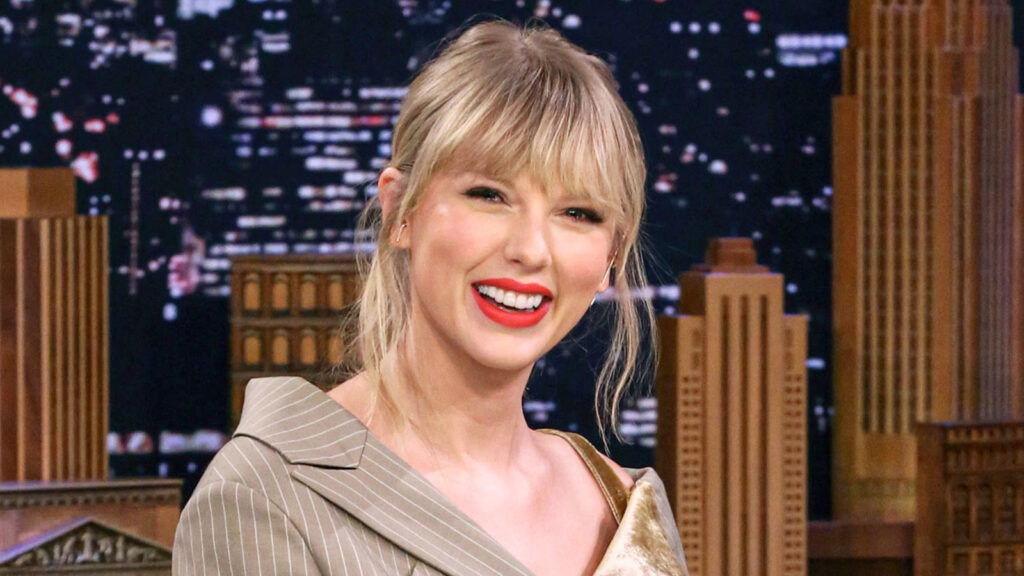
Across her career, Taylor Swift has developed one of the most awarded Grammy track records of any modern artist. Since her first win in 2010 for Fearless, she has collected 14 Grammy Awards and earned more than 50 nominations overall (via Grammy Awards). She became the first artist in history to win Album of the Year four times, for Fearless (2010), 1989 (2016), Folklore (2021), and Midnights (2024) (via People).
At the 2025 ceremony, Swift earned six nominations but did not take home any trophies, a result that sparked widespread discussion online. When the 2026 nominations were later announced, fans quickly noticed her absence. When “snub” started trending on X, music outlets quickly stepped in to clarify the facts: The Life of a Showgirl was not eligible because it was released on October 3, 2025, over a month after the August 30 eligibility deadline.
Over the years, Swift’s history with the Grammys has reflected the changing music industry itself. Her consistent chart performance and critical recognition show that influence in the streaming era is not tied to one awards season but built through longevity and listener engagement.
As of late 2025, she remains one of the Recording Academy’s most awarded artists, yet her success continues to be defined more by cultural presence than by any single ceremony, a reminder that her songwriting legacy extends well beyond the Grammy stage.
What do you think? Are the charts or the Grammys the real measure of an artist’s legacy? Share your take in the comments!