
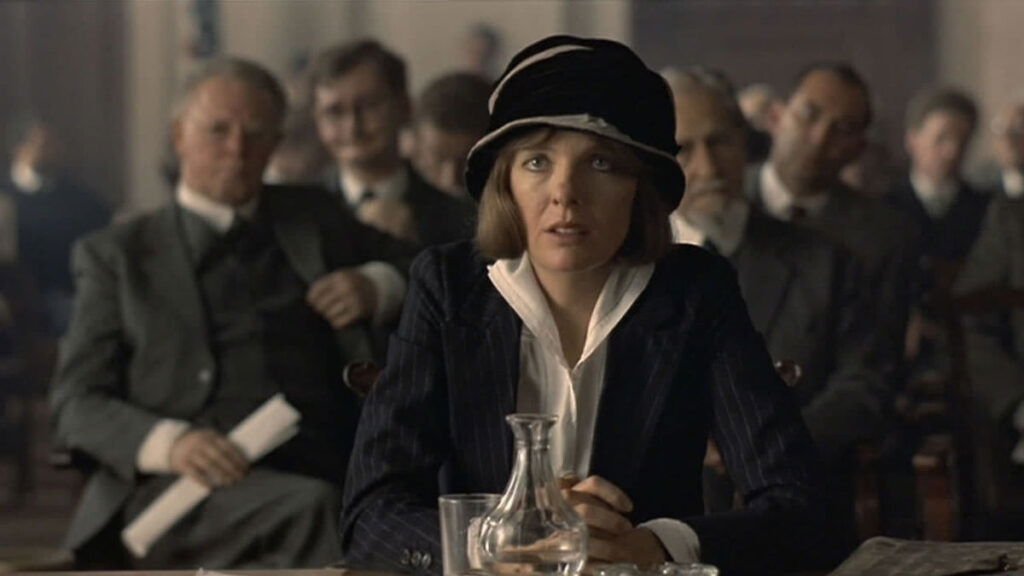

Reds was a difficult movie on many accounts – for its sympathetic representation of communism during a particularly tense period of the Cold War and its portrayal of socialist journalist John Reed (Warren Beatty), Louise Bryant (Diane Keaton), and their turbulent relationship against the backdrop of a politically divided world.
For Keaton, however, the movie was difficult for reasons other than the most obvious ones. While filming a scene that felt too restrained and rehearsed, director and co-star Warren Beatty pushed Diane Keaton nearly to a breaking point. The unscripted scene that was born from the confrontation between the pair has become known as one of the most defining moments of her career.
The Scene That Made Reds the Hardest Role of Diane Keaton’s Career
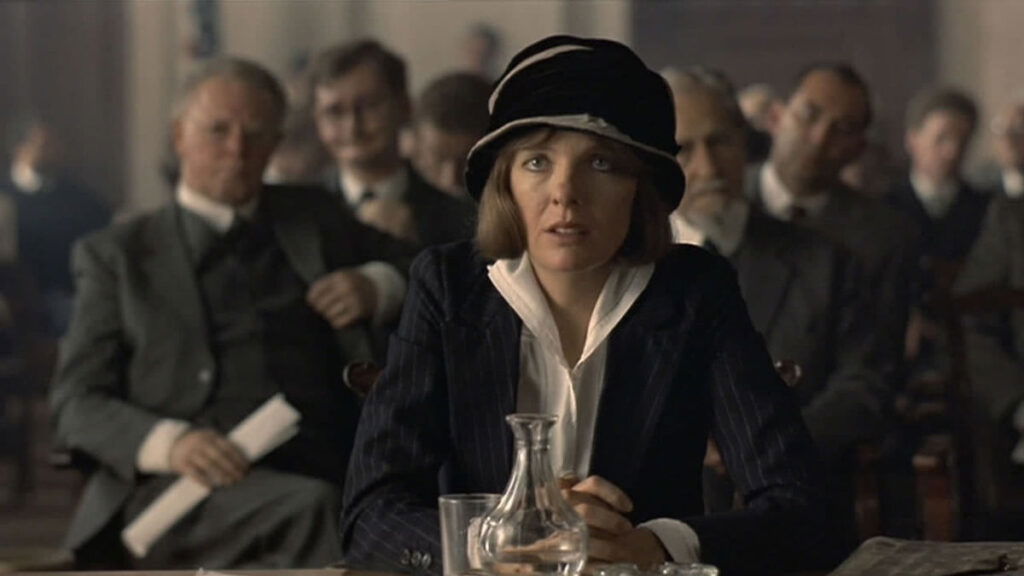
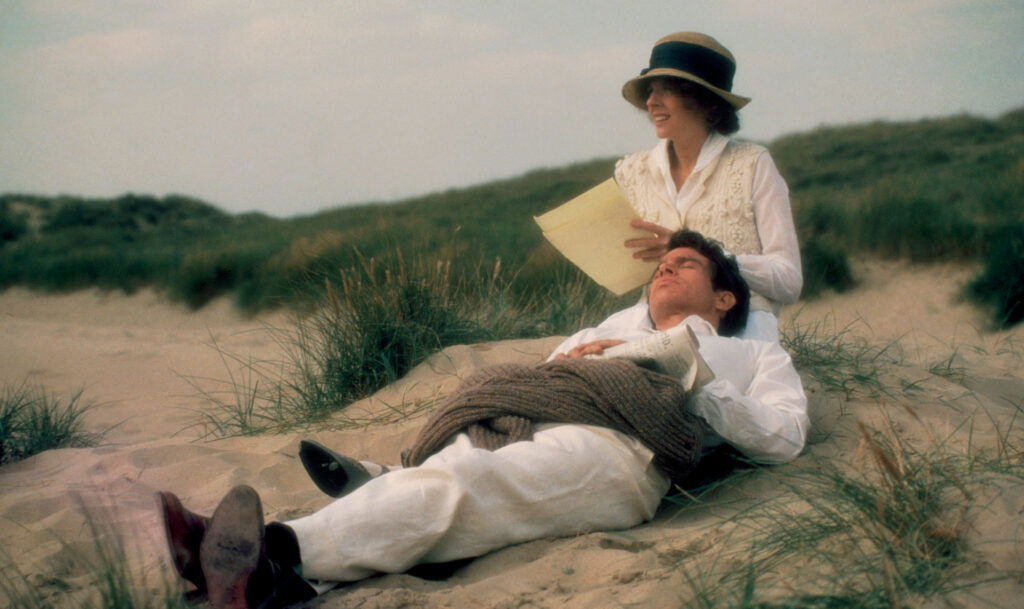
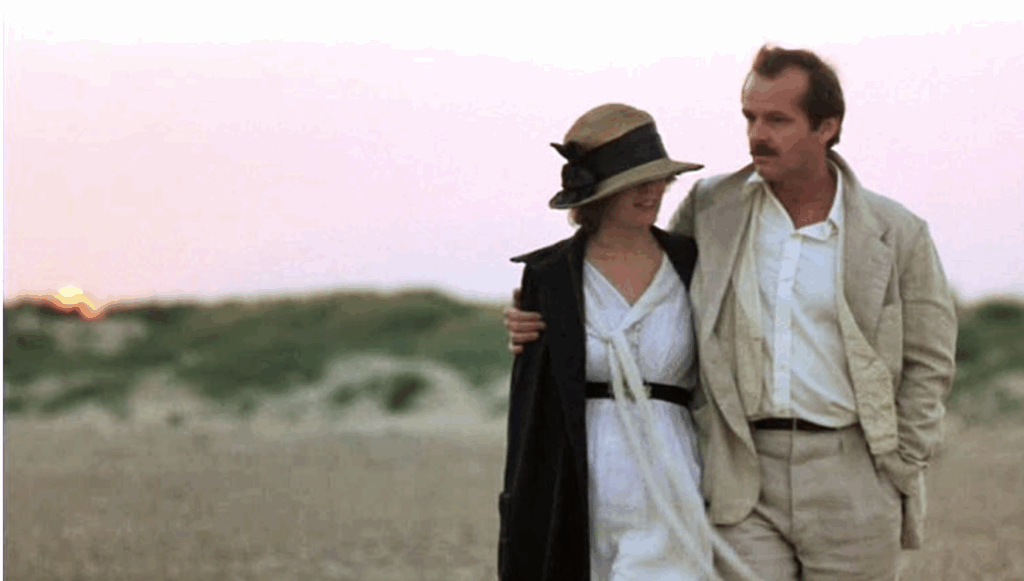
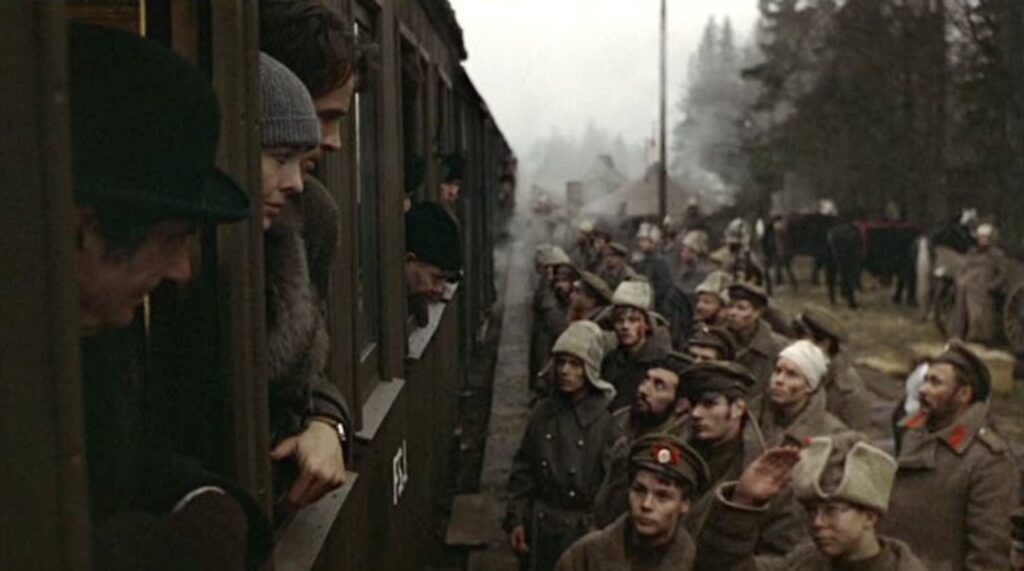
Reds was a movie that was more than about communism or the October Revolution or the tumultuous love story between its two protagonists. Instead, it redefined Hollywood to look at filmmaking as more than art. Reds was politics, war, and heartbreak come to life. And Keaton and Beatty’s roles enveloped those emotions to a T.
A post from Behind The Scenes details one of the hardest scenes from the film that still leaves an echo of its emotional and traumatic outburst to this day. The scene was meant to be a confrontation between Louise Bryant and John Reed, but Beatty was unhappy with the rehearsed nature of the takes.
Without telling his co-star and scene partner, Keaton, he began rolling the cameras and pushed, provoked, interrupted, and challenged her in between her dialogues.
Suddenly, Keaton broke free from the script. She lashed out — not as an actress reciting lines, but as a woman furious at being dismissed, unheard, and unseen. The anger and heartbreak pouring out of her weren’t written in any draft.
When Beatty finally said “cut,” the entire set froze. Keaton’s hands were trembling, her eyes filled with tears — but she stood her ground. Beatty approached quietly and said, “That’s the scene. That’s Louise.” That unscripted explosion became the beating heart of Reds — raw, electric, and unforgettable.
While recalling the scene later, Keaton admitted, “I wasn’t acting. I was fighting — for Louise, for women like her, maybe even for myself.” Beatty himself claimed, “Diane didn’t just play passion. She became it.”
Below is a list of all the actors in the 1981 film and the real-life historical figures they portrayed:
Reds won 3 Oscars, including Best Director for Beatty, and was nominated for 9 more, including Best Picture, Best Actor (Beatty), Best Actress (Keaton), Best Supporting Actor (Jack Nicholson), and Best Screenplay, among others.
The Tragic True Story That Inspired Diane Keaton’s Role in Reds
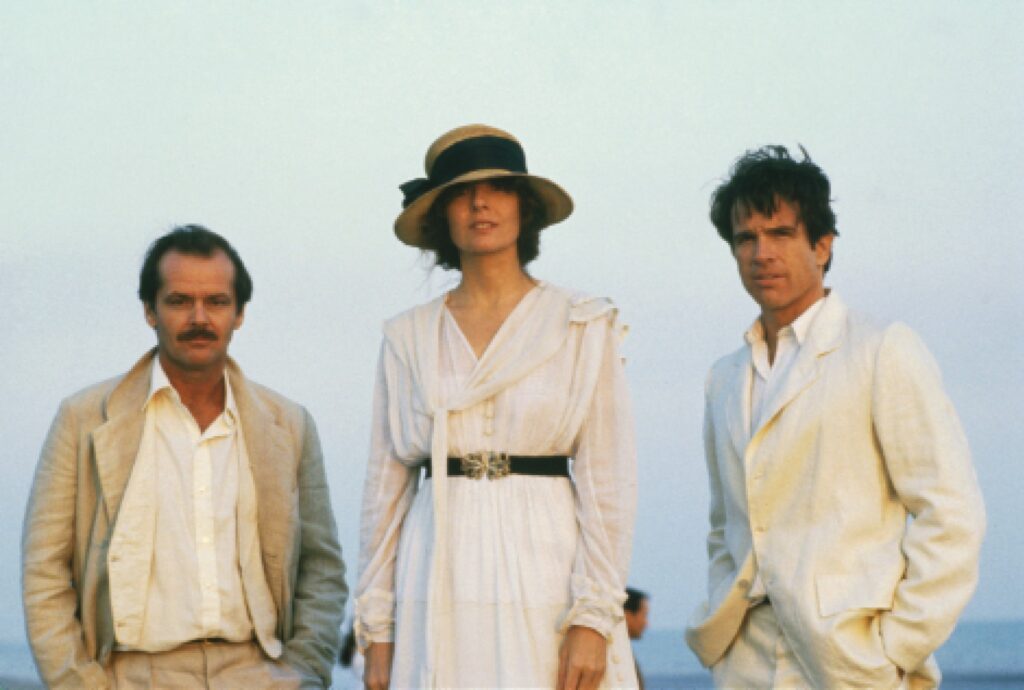
Reds was almost wholly a depiction of reality (notwithstanding the expected Hollywood embellishments), although the film did not reveal the entirety of Louise Bryant and John Reed’s lives. Rather, the movie was a snapshot from a particularly volatile era of their romance, politics, and career.
Diane Keaton, in particular, breathed new life into the suffragist, feminist, activist, writer, and war correspondent Louise Bryant. Although portrayed with an idealist approach in the film, Reds completely misses the turbulent later years of Bryant’s life after Reed’s death [Village Preservation].
She married once more in 1923, 3 years after Reed passed away from typhus. Her third and last husband was the American diplomat, William Bullitt, with whom she had a daughter, Anne Bullitt, both historical legends in their own right.
Although Bryant continued her career as a journalist after Reed’s death, the conventional bourgeois lifestyle in Bullitt’s company felt suffocating to her. Their marriage ended in 1930 after Bullitt discovered Bryant’s lesbian relationship and confronted her about it, leading to a failed suicide attempt on the latter’s part. Meanwhile, Bryant’s deteriorating mental health and heavy alcoholism forced Bullitt to take custody of their daughter a few years later.
In January 1936, Louise Bryant died of a brain haemorrhage at the age of 50 after a prolonged battle with a rare and painful disorder. She left behind a legacy that was simply too rich, tragic, historic, and ambitious to be summarized by any filmmaker in history.
Reds is available to stream on Kanopy and Hoopla.